
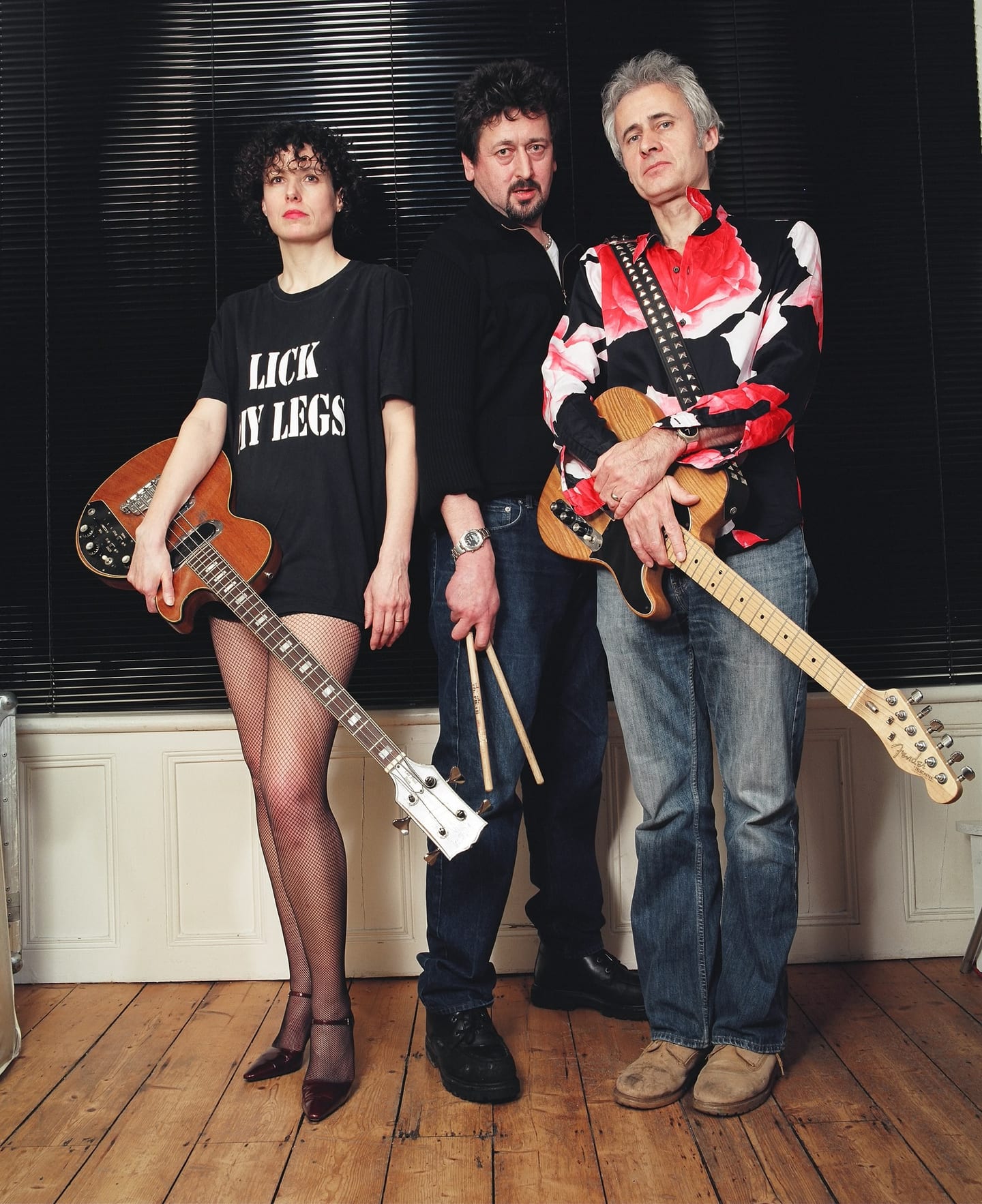
A licence from the copyright owner is necessary for almost any use of a photograph. It is not always sufficient. Here is one imaginary frame, peeled like an onion.
A photograph has one copyright and several other people's interests in it, and a licence can only give you what the person signing it actually owns.
Topshop once sold a T-shirt bearing a photograph of the singer Rihanna. The retailer had done the thing everyone is told to do: it had a licence from the photographer, who owned the copyright. It was sued anyway, by Rihanna, and on 22 January 2015 the Court of Appeal upheld the finding against it. The case is usually cited for what it says about celebrity. We think its plainer lesson is more useful to anyone who licenses pictures: a photograph has one copyright and several other people's interests in it, and a licence can only give you what the person signing it actually owns.
This article takes a single imaginary fashion picture and separates it into four layers: the photographer, the model, the brand and the printed page. For each, it says what the layer is, who typically holds it, and whether a licence from the copyright owner reaches it.
This article is general information, not legal advice. It describes the position in England and Wales in outline; other countries differ, sometimes sharply. Checked on 18 November 2026.
What is in the picture?
Imagine a spread from a British fashion magazine. A professional model stands in a London street wearing a designer's coat and carrying a handbag whose clasp is a well-known logo. The photograph was taken by a freelance photographer commissioned by the magazine. It runs across two pages with a headline, a standfirst and a column of credits.
You want to use it. What you need depends on what "use" means, and on which of four things you are actually copying.
Layer one: who owns the copyright in the photograph?
Start here, because without this layer nothing else matters.
Section 11 of the Copyright, Designs and Patents Act 1988 says that the author of a work is the first owner of any copyright in it. For a photograph the author is the photographer. The same section makes an exception for employees: where a work is made by an employee in the course of employment, the employer is first owner, subject to any agreement to the contrary. A staff photographer's pictures therefore usually belong to the publisher; a freelance's do not.
Under the 1988 Act, commissioning does not by itself change that. The Intellectual Property Office's notice on digital images says that copyright in a commissioned professional photograph "will usually remain with the photographer", with the commissioner typically getting only a limited licence. The same notice warns that ownership of photographs can depend on whether they were taken before 1989, because the earlier law treated commissioned photographs differently; our article on commissioned photographs and copyright in the UK explains the 1 August 1989 dividing line.
Copyright can also be sold or inherited, so the first owner may not be the present one. The general rule on duration, in the IPO's words, is the life of the creator plus 70 years from the end of the year of death.
Does the photographer's licence cover this layer? Yes, if the photographer still owns the copyright. This is the layer a picture licence is for.
Layer two: what rights does the model have?
Here is where Topshop came unstuck.
A model does not own copyright in a picture merely by appearing in it. Nor, in English law, does she have a general right to control her likeness. The Court of Appeal in Fenty v Arcadia put it flatly: "There is in English law no 'image right' or 'character right'" (paragraph 29).
And yet Rihanna won. The court held that selling the T-shirt could amount to a false representation that she had endorsed it, and that the judge had been entitled to find passing off. The judgment records that an independent photographer owned the copyright and had licensed the image to Topshop (paragraph 2). The copyright layer was in order. The person layer was not.
Three separate things can protect a person in a photograph:
- Passing off, where the use misleads the public into thinking the person endorses or is connected with something.
- Advertising rules. The CAP Code, which governs non-broadcast advertising in the UK, urges marketers to obtain permission before featuring an identifiable member of the public, referring to someone with a public profile, or suggesting that a person approves a product (rule 6.1).
- Data protection and privacy law, which can apply to images of identifiable living people. Our article on personal data and likeness in AI training covers that ground.
The industry's answer is the model release: a document in which the sitter agrees to stated uses. A professional model on a magazine shoot will have agreed to the magazine's use. Whether she agreed to anything else, forty years ago, depends on paperwork that may or may not survive.
Does the photographer's licence cover this layer? No, unless the licensor holds a release for the use you intend and says so in writing.
Layer three: what about the brand, the logo and the clothes?
The coat and the bag were made by somebody, and that somebody has rights too. They are of different kinds.
The logo on the clasp is likely to be a registered trade mark. Trade mark law is concerned with use of a sign in trade in a way that affects the mark's functions, such as indicating origin. A fashion spread that shows a bag because the feature is about bags is one thing. Putting the same picture on packaging or in an advertisement for something else, so that the logo lends its reputation, is another.
The design of the garment or accessory may be protected by design rights, and distinctive surface patterns can attract copyright as artistic works. And quite apart from any statute, a use that suggests the brand has approved or sponsored something raises the same passing off risk as in layer two.
For genuinely editorial uses these questions seldom cause trouble: reporting on fashion means showing it. They sharpen as the use becomes commercial. The distinction is explained in our guide to editorial versus commercial image use, and the way the two kinds of picture were made in the first place is the subject of editorial and advertising photography.
Does the photographer's licence cover this layer? No. The photographer does not own the brand's marks or designs and cannot license them.
Layer four: who owns the printed page?
If what you have is a scan of the spread, you are copying a fourth thing: the page.
Section 8 of the 1988 Act recognises a copyright in the typographical arrangement of a published edition, meaning the publisher's layout of the page. It belongs to the publisher, and section 15 provides that it expires at the end of 25 years from the end of the calendar year in which the edition was first published. The headline, standfirst and captions are literary works with their own copyright, usually the publisher's or the writer's.
This layer has two practical consequences. For a recent magazine, reproducing the page as a page may need the publisher's permission in addition to the photographer's. For an older one, the typographical layer will have expired while the photograph remains firmly in copyright, since under the current UK rules the term for a photograph generally runs from the author's death, not from publication. A 1975 page is out of typographical copyright, though its words may still be protected; the picture on it is very likely still in copyright.
Researchers often meet this layer first, because a tear sheet is how a picture is found. Our guide to tracing the photographer of an old magazine picture starts from the page and works back to the author.
Does the photographer's licence cover this layer? No. It covers the photograph, which is best reproduced from the original transparency or negative where one is available, and not the publisher's layout.
What does a copyright licence cover, layer by layer?
| Layer | The right or interest | Typically held by | Reached by a licence from the copyright owner? |
|---|---|---|---|
| Photograph | Copyright in the image | Photographer, employer, estate or assignee | Yes |
| Person | Protection against false endorsement; advertising code; data protection | The model or sitter | No, unless a release covers the use |
| Brand | Trade marks, designs, goodwill | The fashion house or manufacturer | No |
| Page | Typographical arrangement (25 years); text | The publisher | No |
Read across the bottom three rows and a pattern appears. For editorial, educational and research uses, the first row is usually the one that matters, and the others are background. For advertising, merchandise and endorsement, all four are live. Uses that did not exist when the picture was made, AI training among them, are the hardest to place, which is why they call for a specific review and not an assumption.
What should you ask before licensing a fashion photograph?
- Who is the copyright owner now, and how do they know? A single documented rights holder is simpler than a chain.
- What exactly is the use: where, how long, in what medium, beside what?
- Is any person identifiable, and is there a release? If not, is the use one that needs it?
- Are brands, logos or distinctive designs prominent, and does the use trade on them?
- Am I copying the photograph or a printed page?
- If the owner cannot be found, have I documented a diligent search? The IPO's orphan works guidance sets out what one involves.
Our article on rights review for AI training images applies the same questions to datasets.
How does Archive.London handle these layers?
Plainly, we hope. The Robert Harper Photograph Library is owned by 825 Ventures Ltd, the owner and rights holder, so the first layer has a single point of contact. Who commissioned an older picture, and on what terms, can still bear on that layer, which is one reason every licence is subject to rights review. Our image licensing terms state that editorial licences do not authorise commercial endorsement and that commercial uses need express written approval and appropriate clearances, and the page on rights and stewardship explains the approach. A licence from us is a licence of the copyright in the photograph. It is not a model release, a trade mark licence or a publisher's permission, and we do not claim that those exist for any image. People and brands in the catalogue are described as catalogued subjects; that implies no endorsement by them.
The fashion collection alone runs to 72 clothing folders in the inventory, with 479 frames of models and catwalk, so these questions are practical ones here, and every licence is negotiated directly and is subject to rights review. If you are preparing files for licensed use, the free add copyright metadata tool writes creator and rights fields into an image in the browser, so that the first layer at least travels with the file.
To discuss a specific use, read the image licensing terms and then contact us.
Frequently asked questions
Who owns the copyright in a fashion photograph?
In the UK the photographer is normally the first owner, as author, under section 11 of the Copyright, Designs and Patents Act 1988. If the photographer was an employee working in the course of employment, the employer owns it unless agreed otherwise. Different rules applied to photographs commissioned before 1 August 1989. Copyright can be assigned in writing, so the current owner may be an estate, agency or company.
Does the model own any rights in the photograph?
Not copyright, unless a contract says so. But a model, or any identifiable person, has interests the copyright owner cannot license away. English law has no general image right, yet passing off can apply where a use falsely suggests endorsement, advertising rules urge permission, and data protection law can apply to images of living people. Model releases exist to deal with these points.
Do I need permission from the brand whose clothes appear in a photo?
It depends on the use. Showing a branded product in genuine editorial coverage is different from using the picture to sell something or to suggest a connection with the brand. Brands may hold trade marks and design rights, and commercial uses that trade on them can be challenged. A photographic copyright licence does not grant those permissions unless it says so.
Can I reproduce a magazine page showing a photograph?
A scan of a page copies more than the photograph. The publisher has a separate copyright in the typographical arrangement of the published edition, lasting 25 years from the end of the year of first publication, and there may be copyright in the text and design. For an older page that layer may have expired while the photograph's copyright continues.
Does a licence from the photographer cover everything in the picture?
No. A licence can only cover what the licensor owns, which is normally the copyright in the photograph. It does not by itself deal with the people shown, the brands and designs visible, or the printed page the picture appeared on. For editorial uses that is often enough. For advertising, merchandise or AI training, each further layer needs separate consideration.
Sources
- Copyright, Designs and Patents Act 1988, section 11 (first ownership of copyright)
- Copyright, Designs and Patents Act 1988, section 8 (published editions)
- Copyright, Designs and Patents Act 1988, section 15 (duration of copyright in typographical arrangement)
- Fenty & Ors v Arcadia Group Brands Ltd & Anor 2015 EWCA Civ 3, 22 January 2015
- CAP Code section 6: Privacy, Advertising Standards Authority
- Copyright notice: digital images, photographs and the internet, Intellectual Property Office, 4 January 2021
- Orphan works diligent search guidance for applicants, Intellectual Property Office
Published by Archive.London. Corrections are welcome under our editorial policy.