
What the archive holds
The Robert Harper Photograph Library is the complete surviving output of one London photographer: 52,684 analogue originals and 42,803 digital photographs, listed in a 503-folder inventory and described in 330 collections. The catalogue is searchable by subject, person, brand and place, and the complete inventory can be searched line by line.
For an agency or a picture desk, the strengths are these.
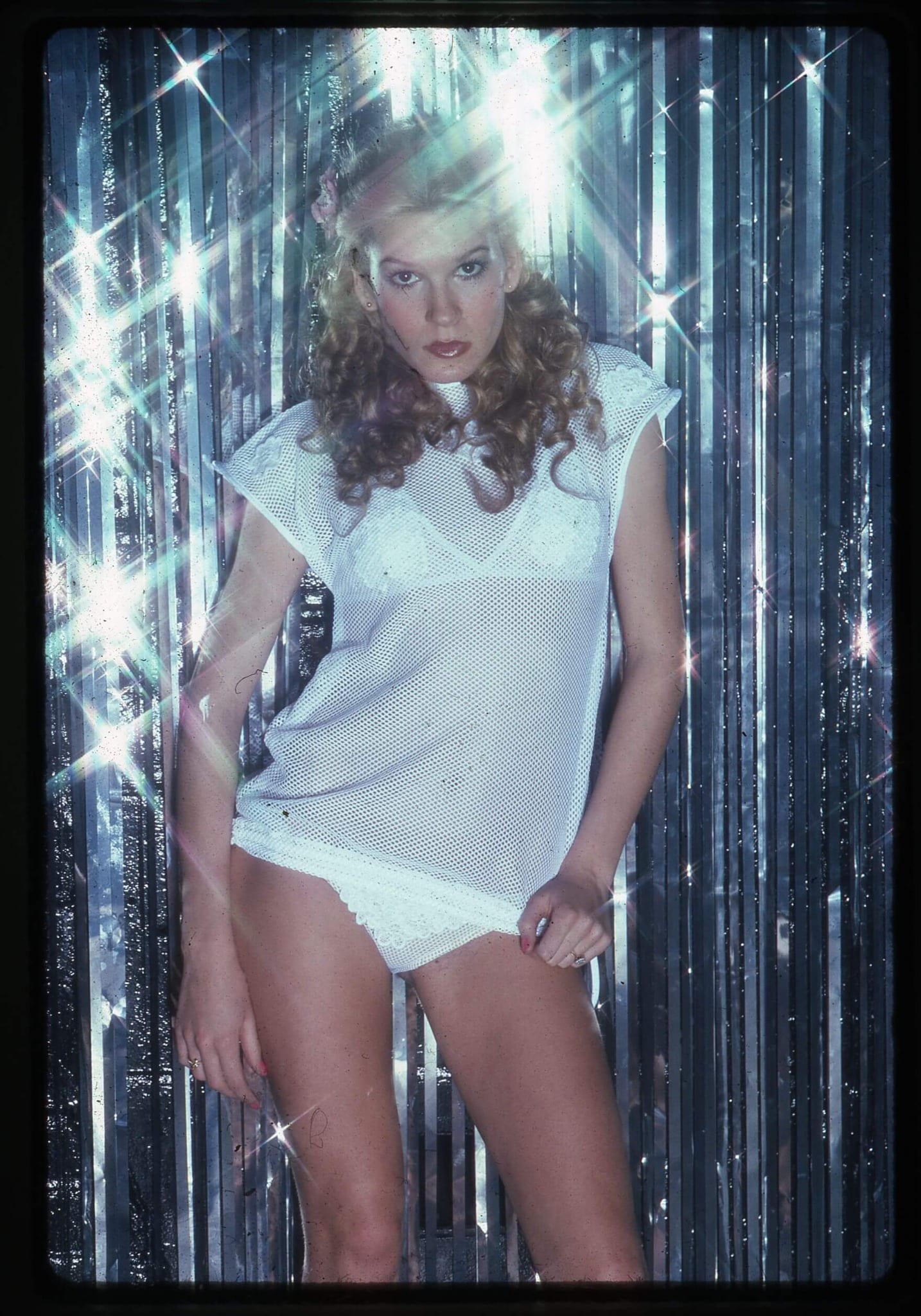
- Fashion and beauty. Editorial fashion, models and catwalk, accessories, cosmetics and hair, from a photographer who contributed to Elle and The Telegraph Magazine for more than fifteen years and shot for Vogue, Tatler, Cosmopolitan, Marie Claire, InStyle, GQ and Esquire. See fashion and beauty and cosmetics.
- Music. Subjects catalogued include The Who, David Bowie, Eric Clapton, Paul McCartney and Wings, Van Morrison, Santana, Jethro Tull, Laurie Anderson and The Zombies. See music.
- Portraits. Actors, writers, designers and sportsmen, among them Robert De Niro, Sir Bobby Charlton, Sir Hardy Amies and Ken Russell. See portraits.
- Luxury still life. Jewellery including De Beers diamonds, watches, fragrance, footwear and handbags.
- Britain and abroad. London street scenes from the 1960s and 1970s, Scotland, Paris, Rome, Venice, New York and Jamaica.
- Everyday objects in their period. Telephones, hi-fi, toys, kitchens, packaging and offices: the things programme makers and set decorators look for.
- Marine. Sailing and superyachts from the later career. See marine and superyachts.
Names identify photographic subjects and documented clients. They do not imply endorsement, and a photographed product is not evidence of a commission. Our subjects, brands and personalities disclaimer sets this out.
Why the timing matters
More than half of the archive is still on film. Transparencies, negatives, contact sheets and more than 4,000 Polaroids are being assessed for scanning now. An agency or publisher that comes in at this stage can shape what is digitised first and see material before it has been circulated.
Ways to work together
- Representation and syndication. Whole-archive, territorial or by subject. We are interested in partners with real reach in editorial, publishing, broadcast or brand licensing.
- Books and exhibitions. Monographs, themed titles and shows drawn from a single author's work, with the rights held in one place.
- Programme and documentary research. Period material for music, fashion, design and social history productions.
- Brand heritage. Companies whose products or campaigns appear in the archive can ask what is held.
- Prints. Curated editions can be discussed for galleries and retailers.
How to brief us
Tell us the subject, the period, the intended use, the deadline and the format you need. If you have a name, a brand or a place, include it exactly as you would search for it. Our guide to how picture researchers brief an archive goes through it step by step, and professional access explains what we send back.
Useful free tools while you work: read a file's credit and copyright with the EXIF and metadata viewer, or lay out a selection with the contact sheet maker.
Questions we are asked
Is the archive already represented by an agency?
Archive.London manages licensing directly at present. We are open to conversations with picture agencies and distributors about representation, whether for the whole archive, for a territory or for particular subject areas such as music, fashion or still life.
Can I license a single photograph?
Yes. Send the subject, the publication or production, the media, territory, term and print run or audience, and your deadline. We confirm availability and terms in a written Licence Confirmation. Our image licensing terms explain how rights-managed licences work here.
Are people and brands in the photographs cleared?
An Archive.London licence covers the copyright in the photograph. It does not automatically clear people, trade marks, artworks or designs that appear in it. Editorial uses rarely need more; advertising and merchandise usually do. We will tell you what we know about a picture and you remain responsible for any further permissions.
How much of the archive can I see?
The website shows a small watermarked selection and written descriptions of 330 collections. For a real project we can pull representative material and catalogue detail on a subject. Much of the analogue archive has not been scanned, so some requests involve a search of the physical material.
Do you hold photographs of our brand?
Possibly. The inventory lists many fashion houses, fragrance houses, jewellers, retailers and consumer brands as photographic subjects or as documented clients. Brand heritage teams are welcome to ask what the catalogue records for their name.