Robert Harper's professional story began in front of a stage. At fourteen, he sold a photograph of The Who in concert. The image established something that would continue through his later music work: an interest in the instant when a public performance becomes a personal expression.
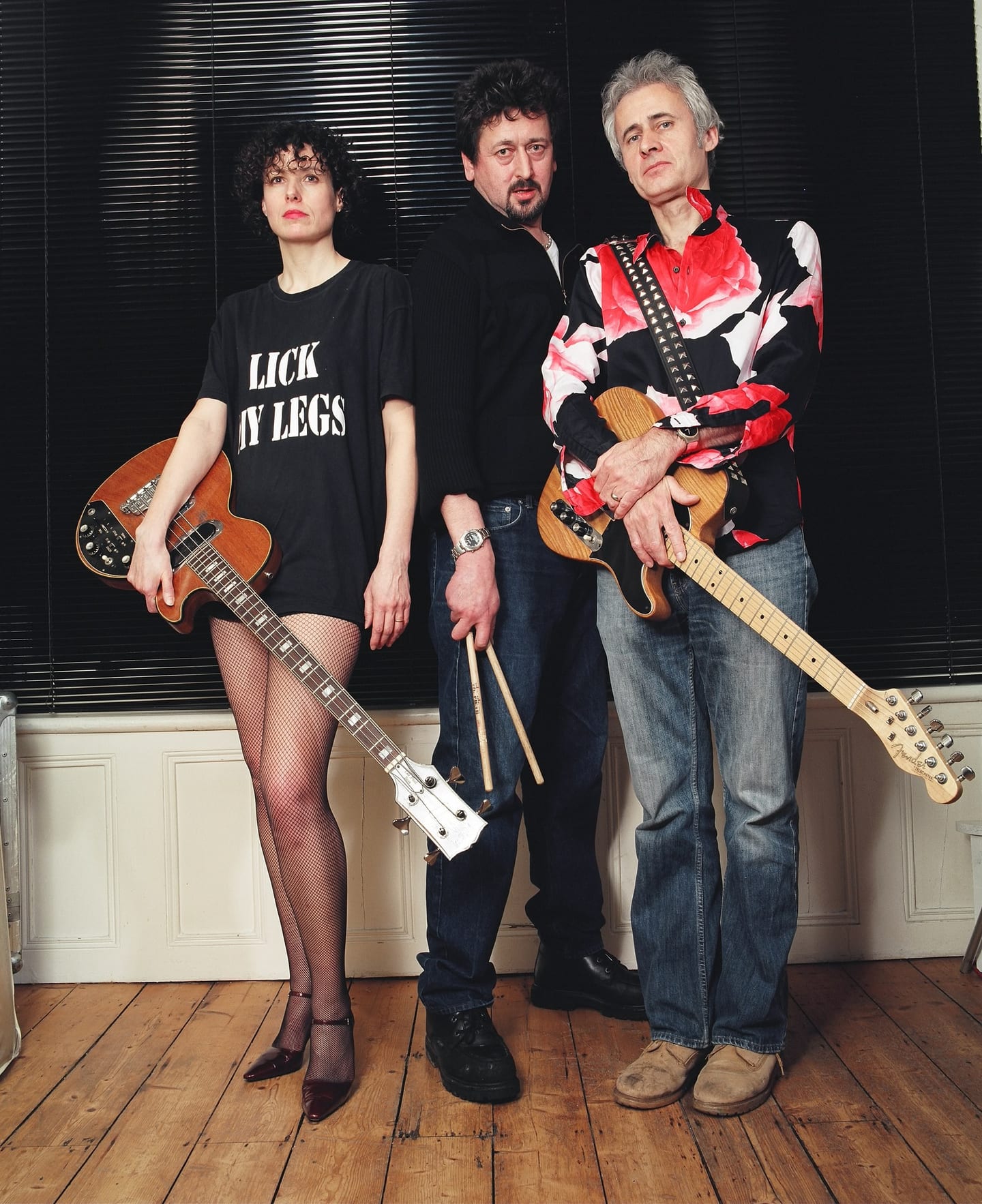
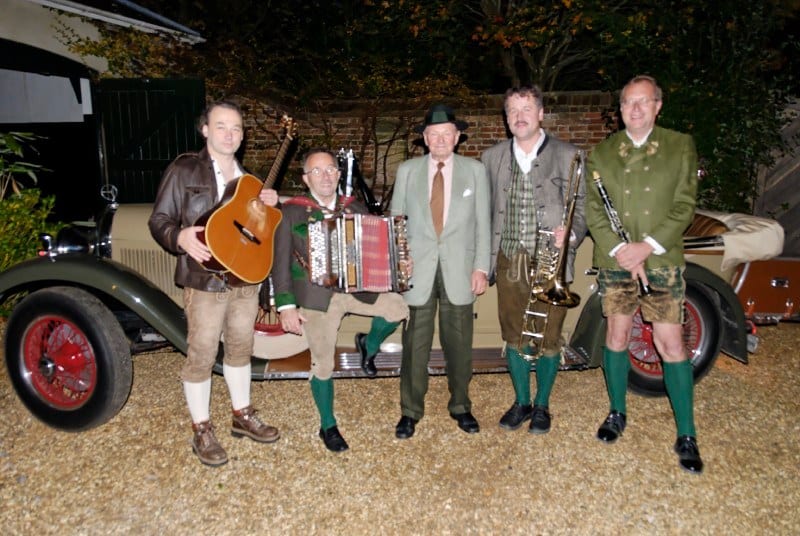
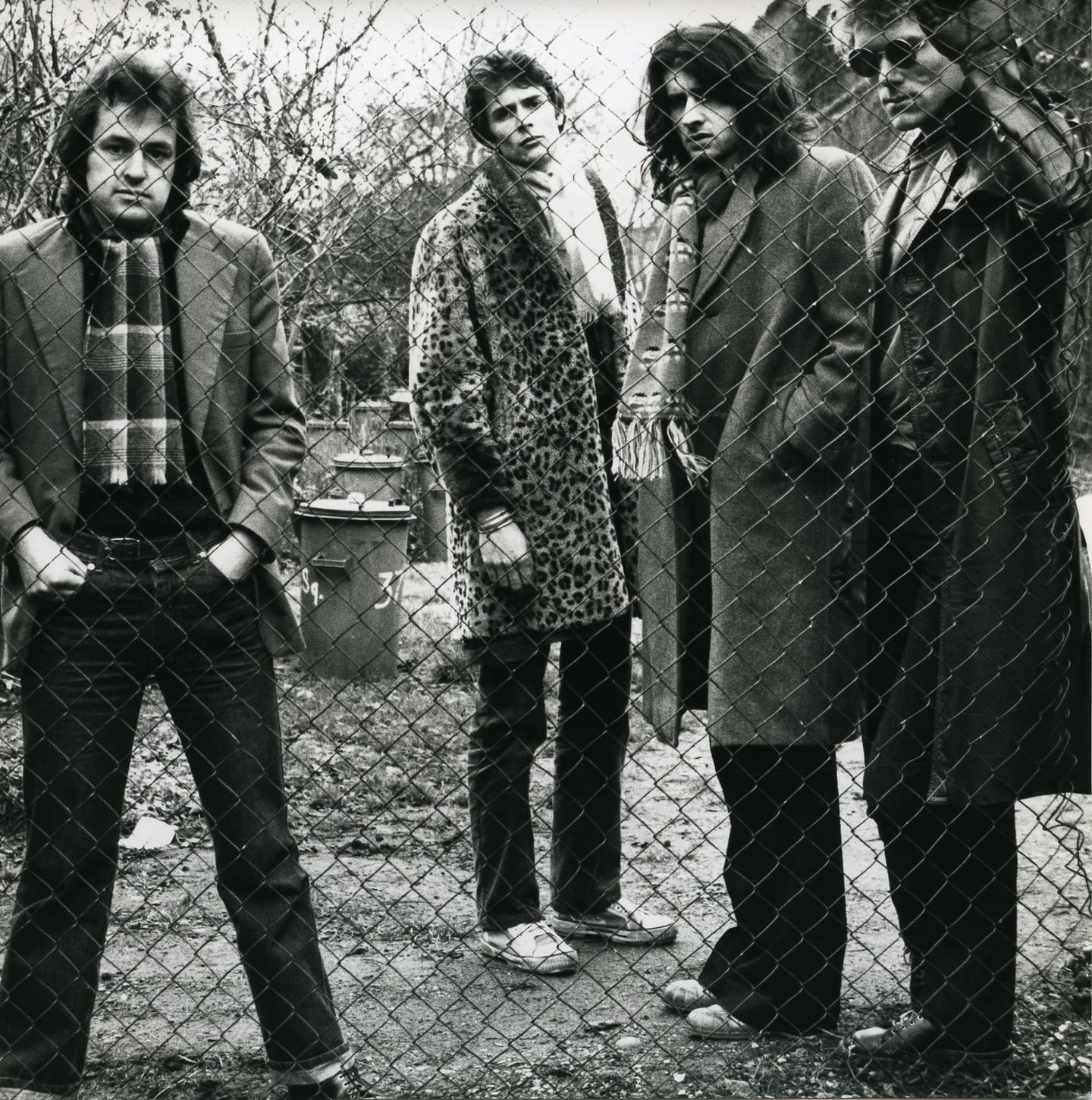
The music and musicians inventory at Archive.London contains 1,434 unique shots across nineteen principal folders. Its subjects span rock, pop, jazz, opera and instrumental performance, with photographs made through several decades of British cultural life.
Names within the archive
The collection includes material involving David Bowie, David Gray, Eric Clapton, Paul McCartney and Wings, Van Morrison, Santana, Jethro Tull, Everything But The Girl, Laurie Anderson, Art Blakey Big Band, The Zombies, Colin Blunstone and the Stan Webb Band.
There are also photographs of opera singers and classical performers, including Susan Clements, Marie McLaughlin, Anna Jacyszyn, Yuko Katori and Fali Pavri. The archive therefore moves beyond a single musical genre or familiar list of headline names.
The stage and the portrait
Concert photography requires speed, anticipation and an ability to work with light designed for an audience rather than a camera. The performer is rarely still. Expression changes between one frame and the next. A microphone, instrument or stage edge can either structure the image or interrupt it.
A formal music portrait presents the opposite problem. Time and light may be controlled, but personality must not be polished away. Harper's editorial experience allowed him to move between these conditions. He could observe performance as it unfolded, then bring the same subject into the more considered language of portraiture.
The archive includes Eric Clapton at the Royal Albert Hall in 1993, Art Blakey Big Band in Edinburgh in 1987 and Jethro Tull in November 1974. Dates and locations are given where recorded in the supplied catalogue descriptions.
A career shaped by magazines
Harper's years at the Condé Nast studios and his long association with Elle and The Telegraph Magazine taught him to think about photographs in sequence and on the page. A single image may establish a musician's identity. A group can convey performance, atmosphere and progression.
His wider archive of records, compact discs, instruments, speakers and audio equipment supplies another context. Music appears not only through performers, but through the objects and technologies by which it was played, collected and heard.
Professional use
Archive.London is reviewing music holdings for digitisation and publication. Selected material may be suitable for editorial features, documentaries, biographies, exhibitions, music history, anniversary projects and rights-managed licensing.
Researchers should specify the artist, approximate period, intended use and deadline. Availability cannot be inferred solely from the images currently displayed online.
Explore portrait photography Explore Eric Clapton at the Royal Albert Hall Enquire about music photography