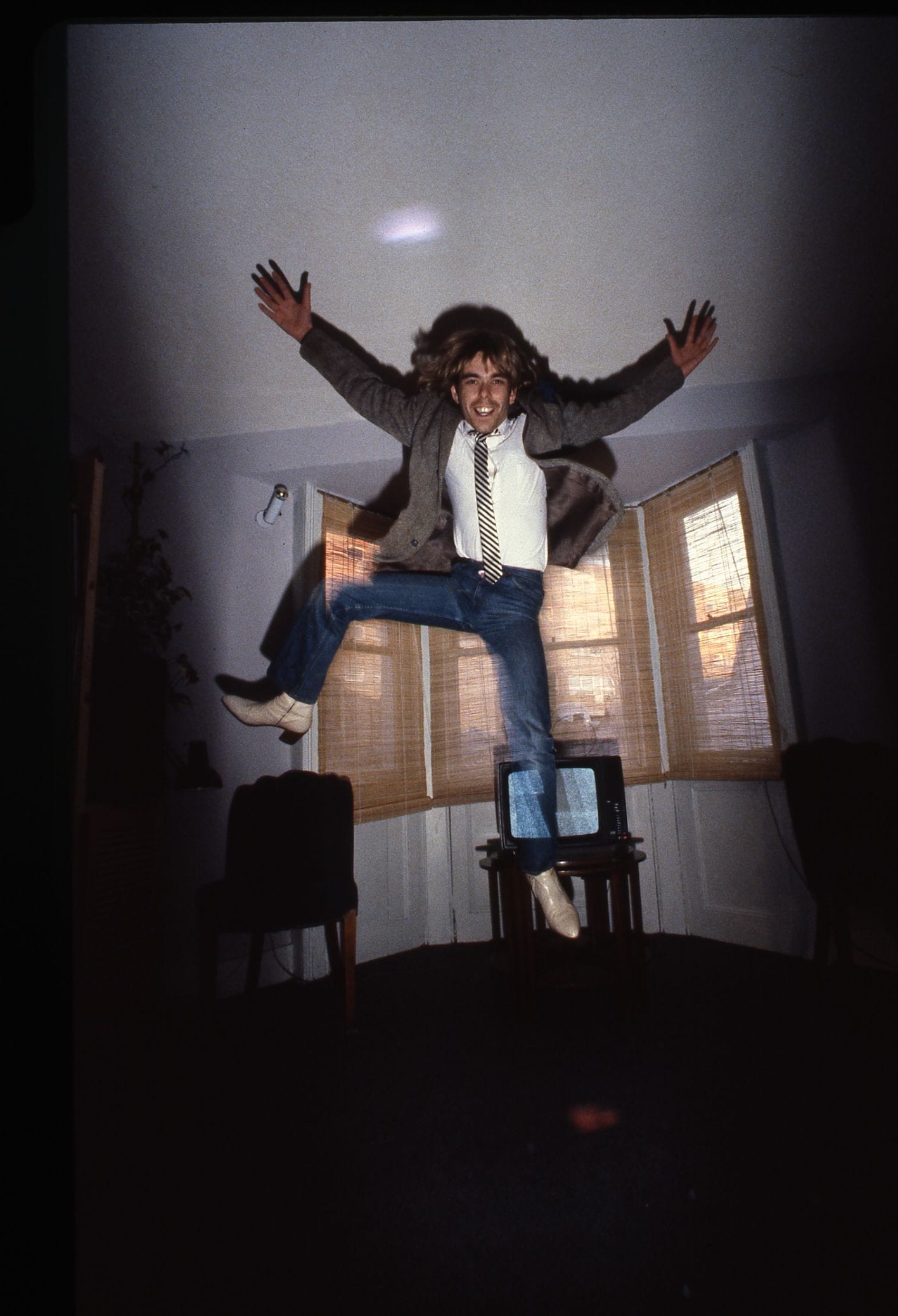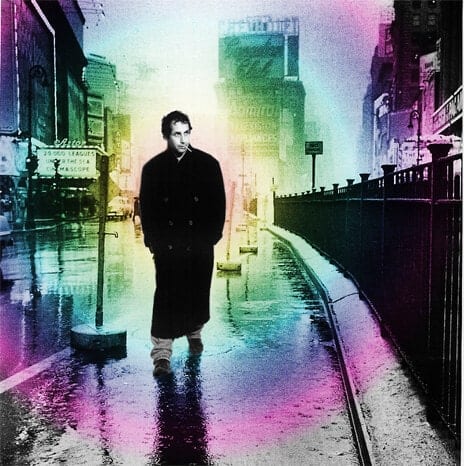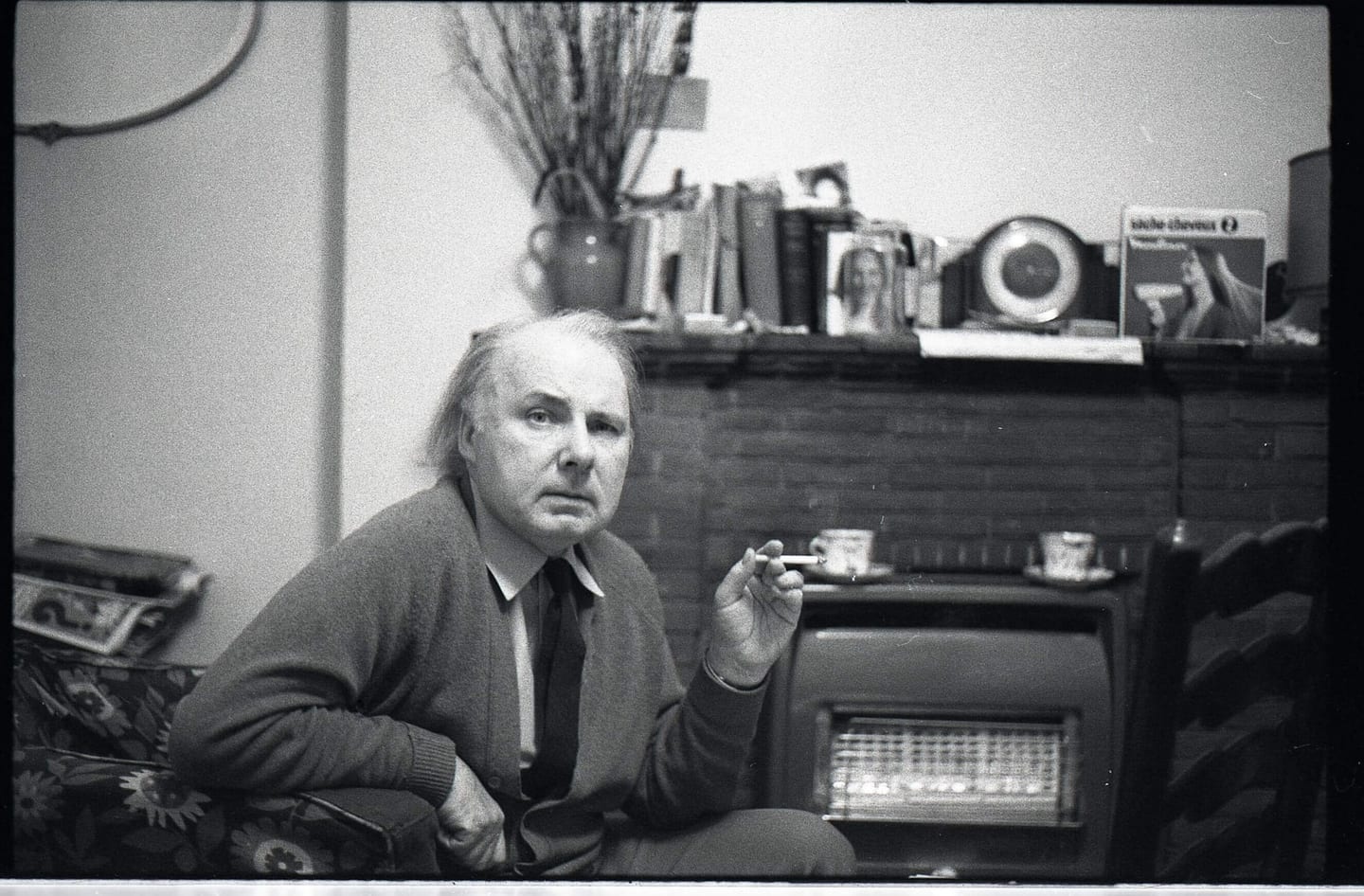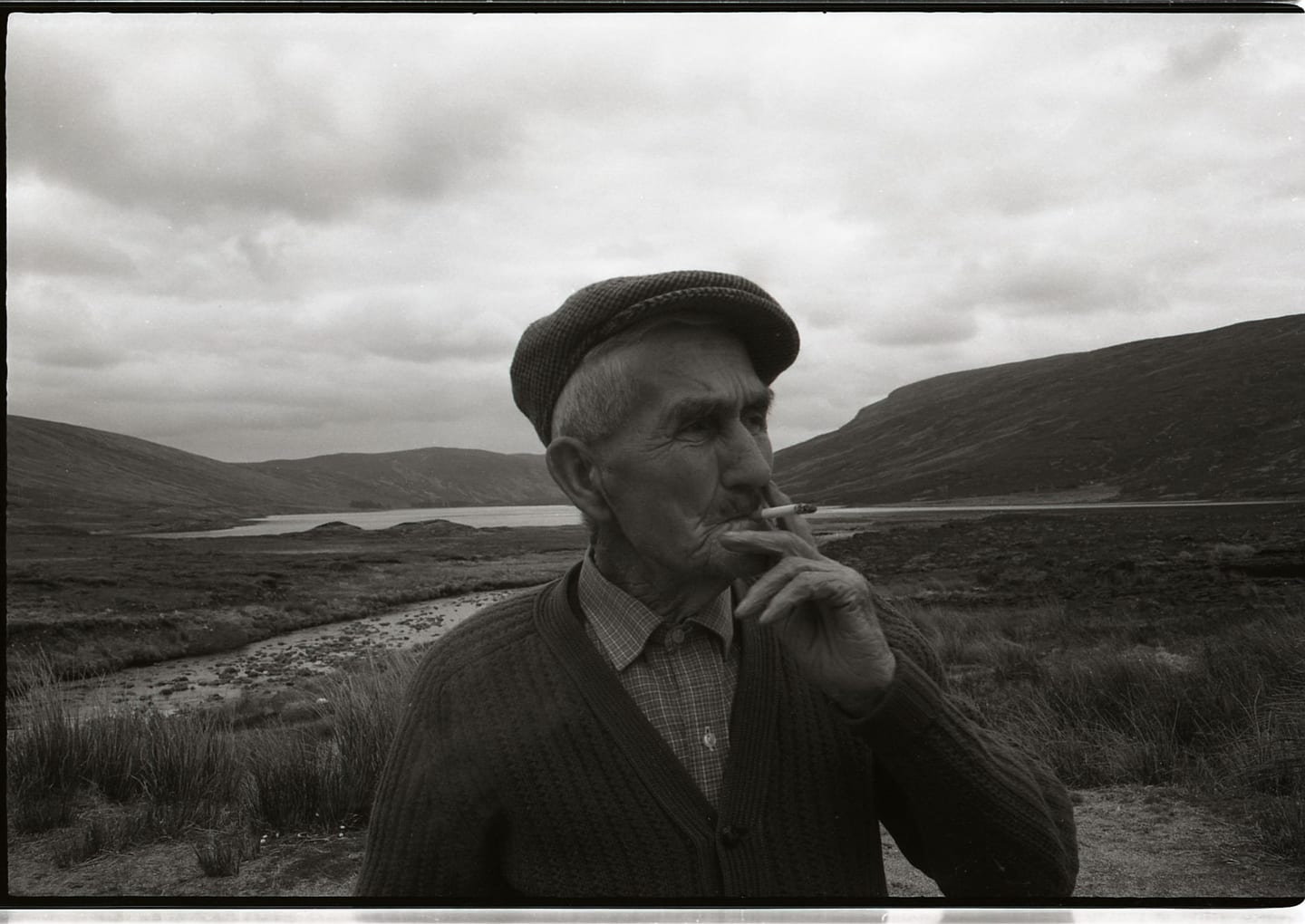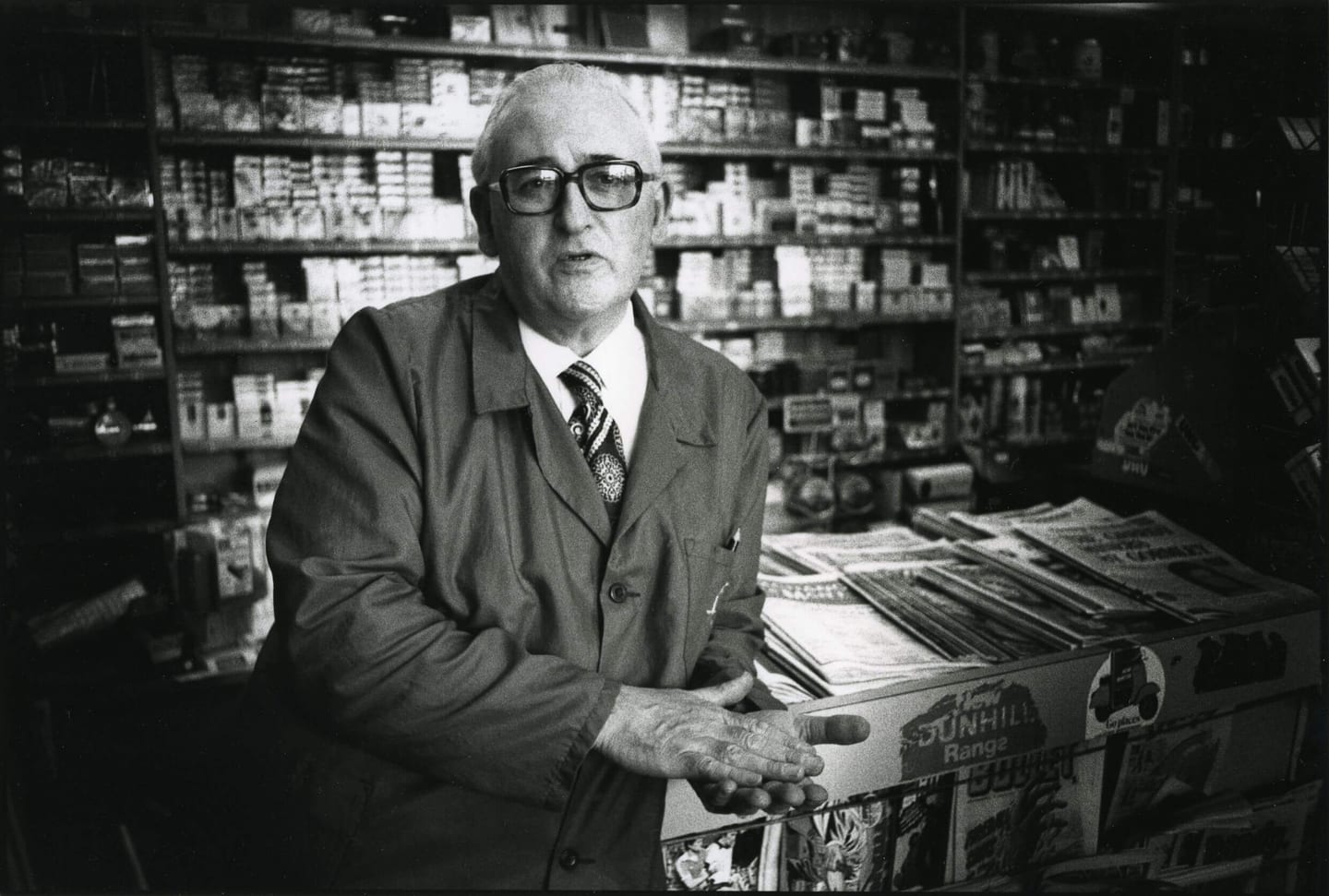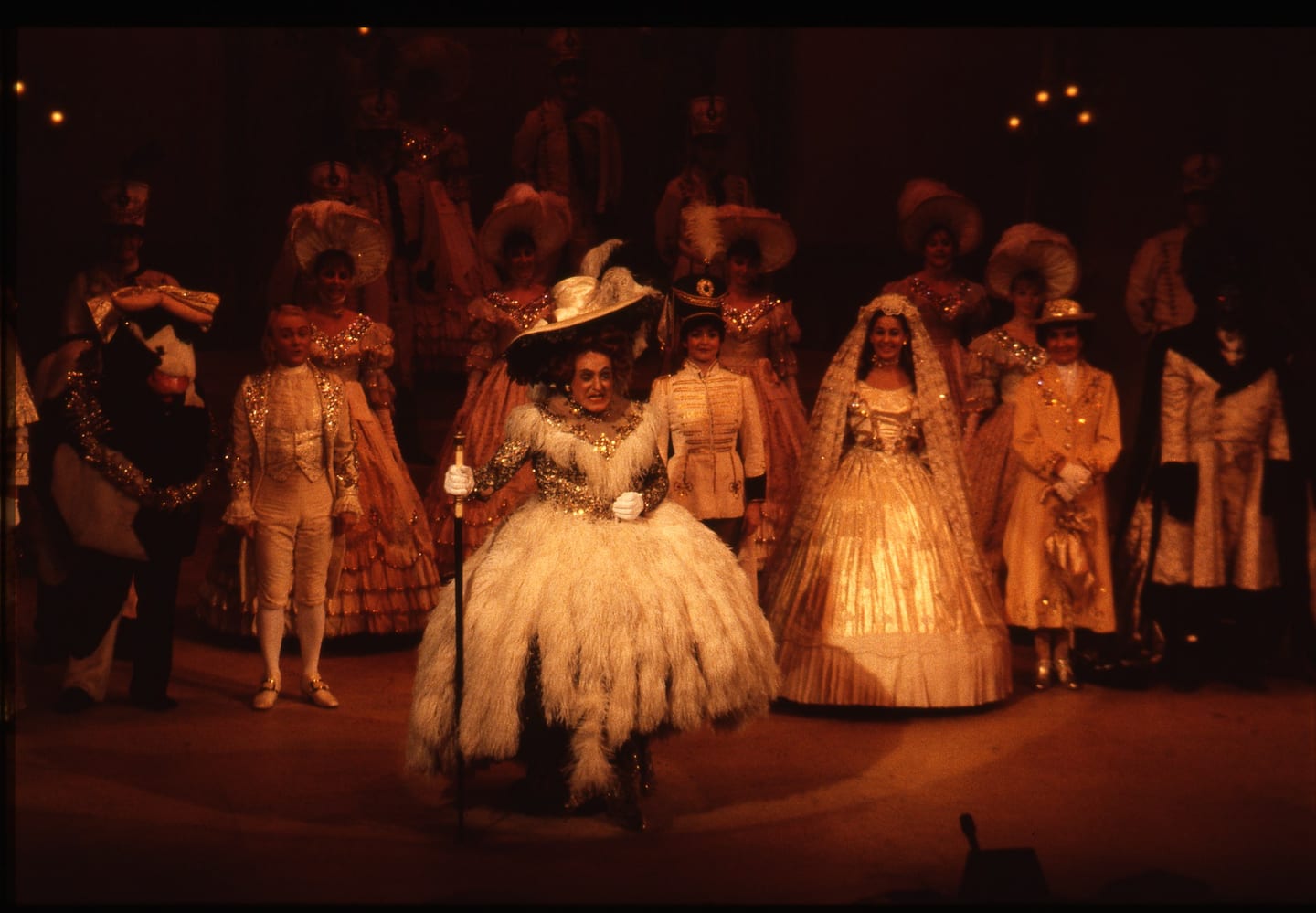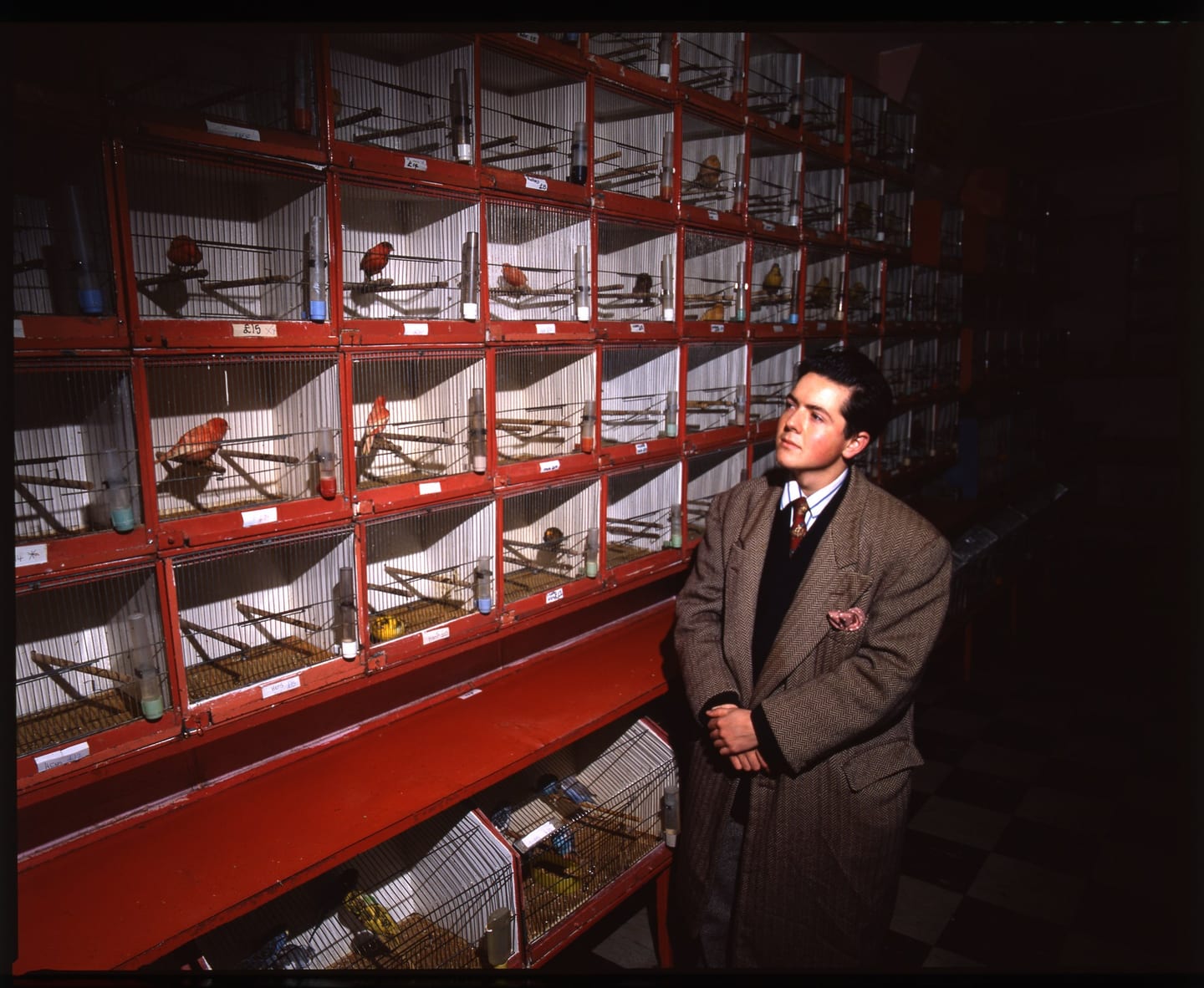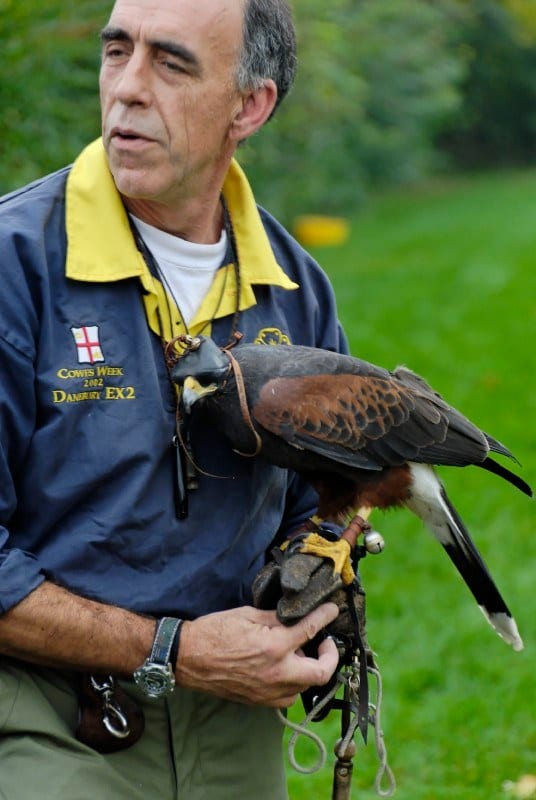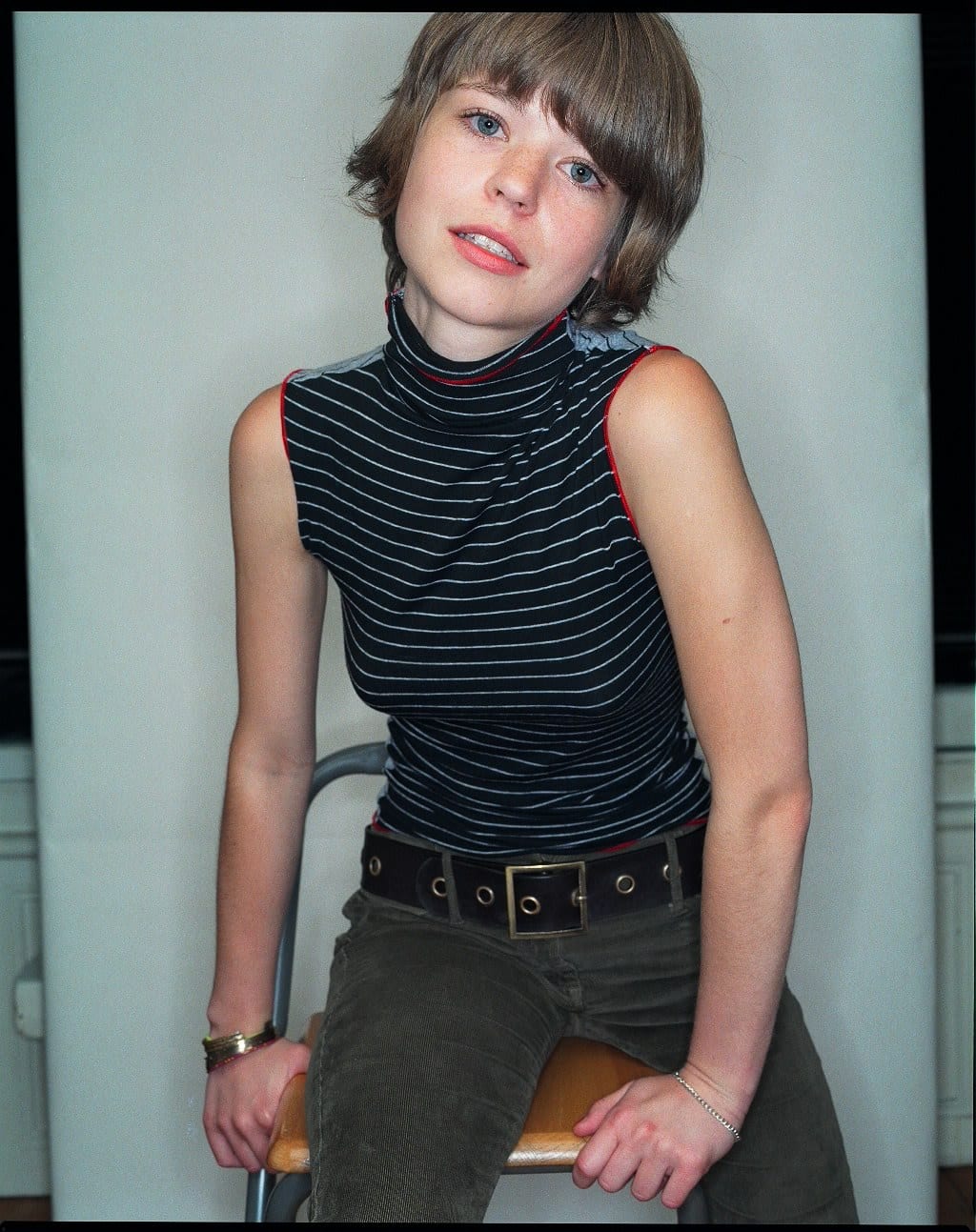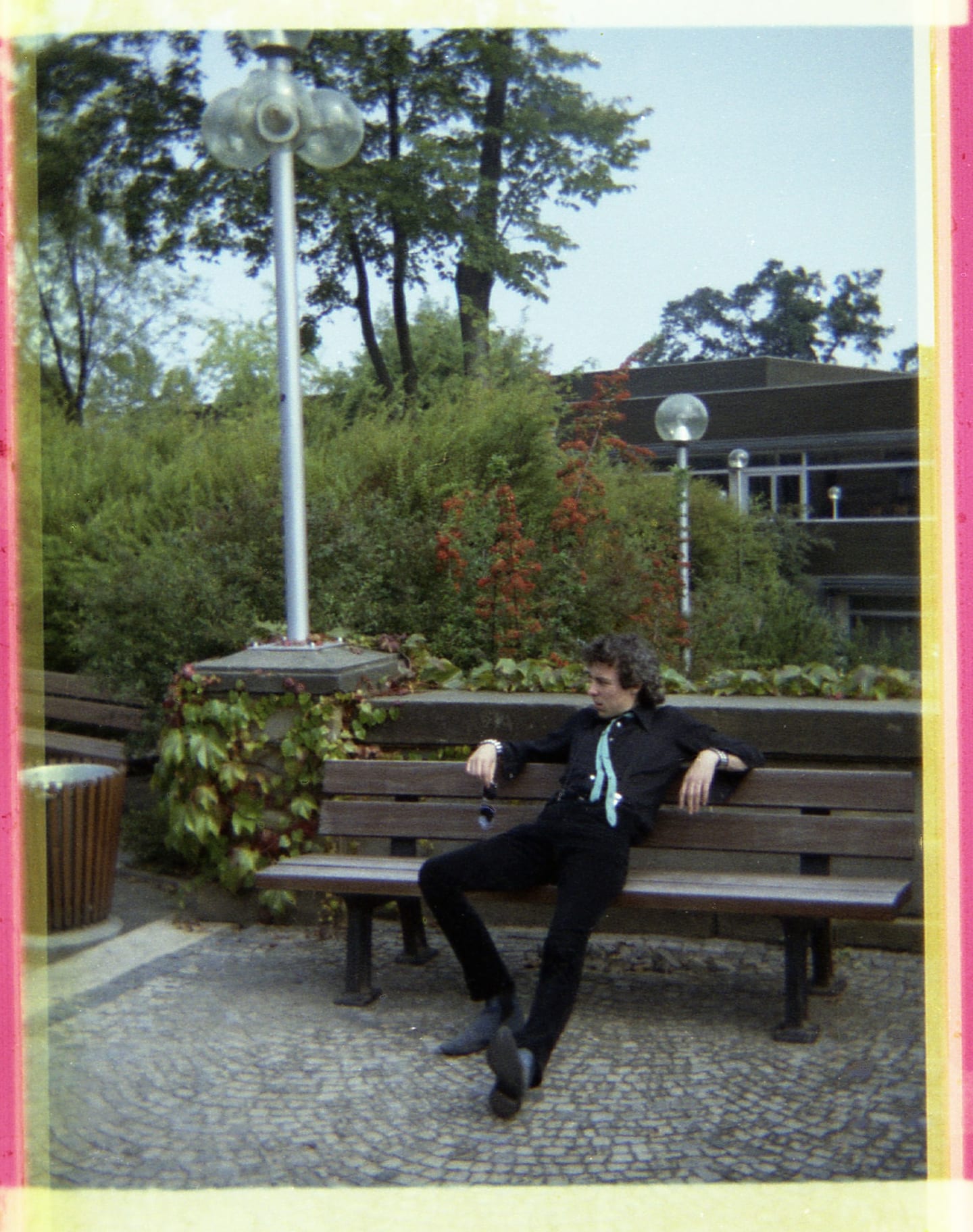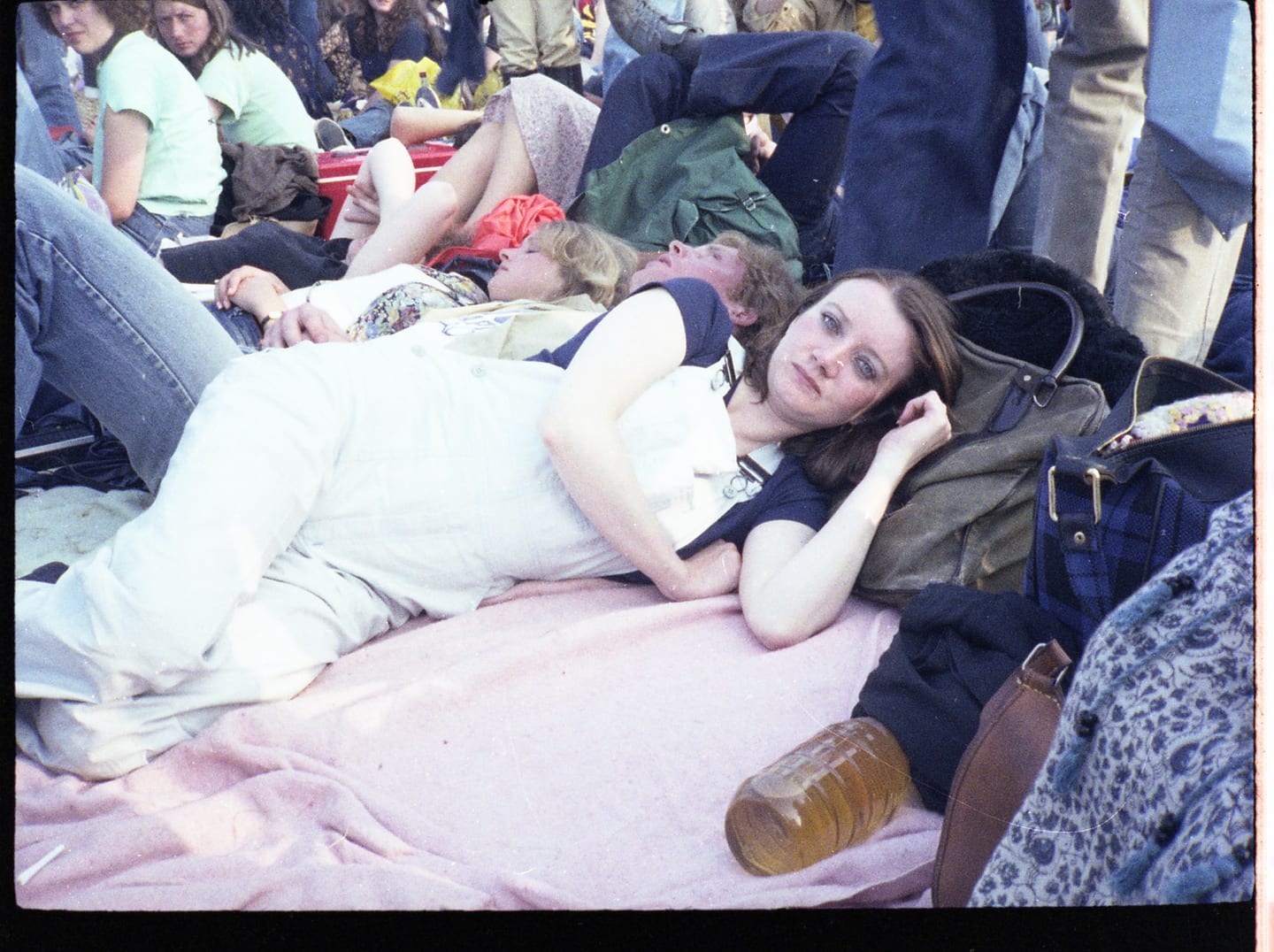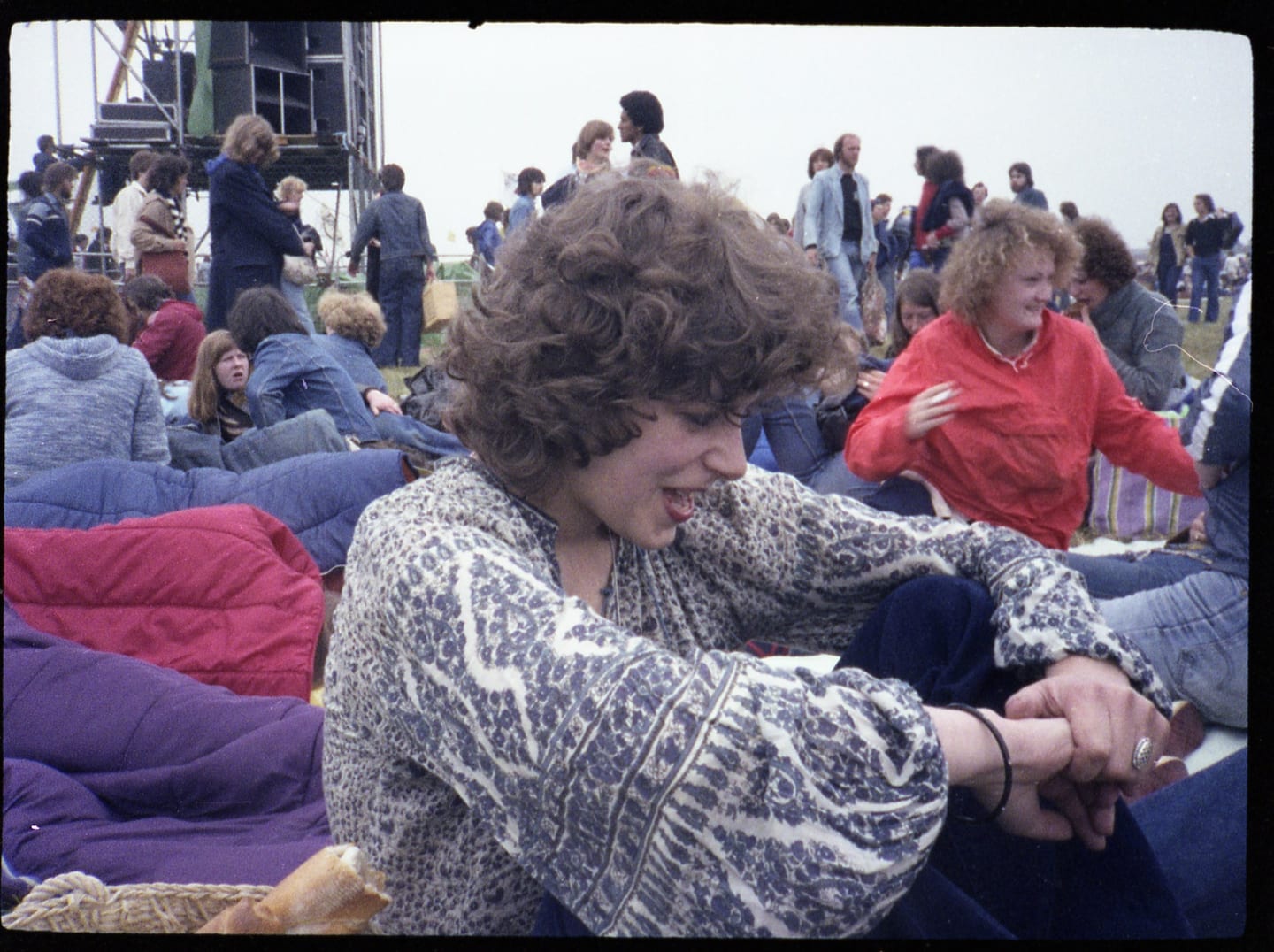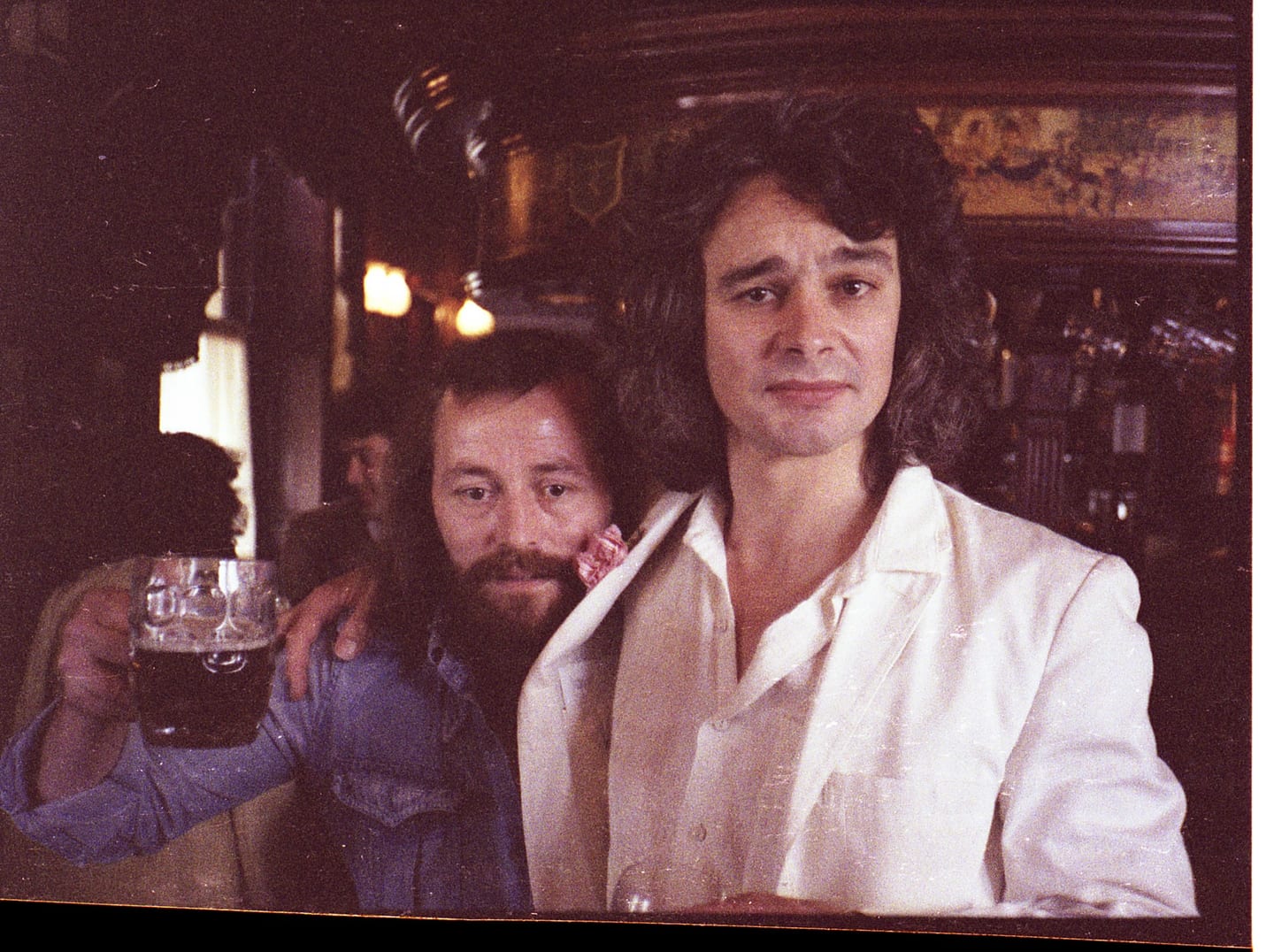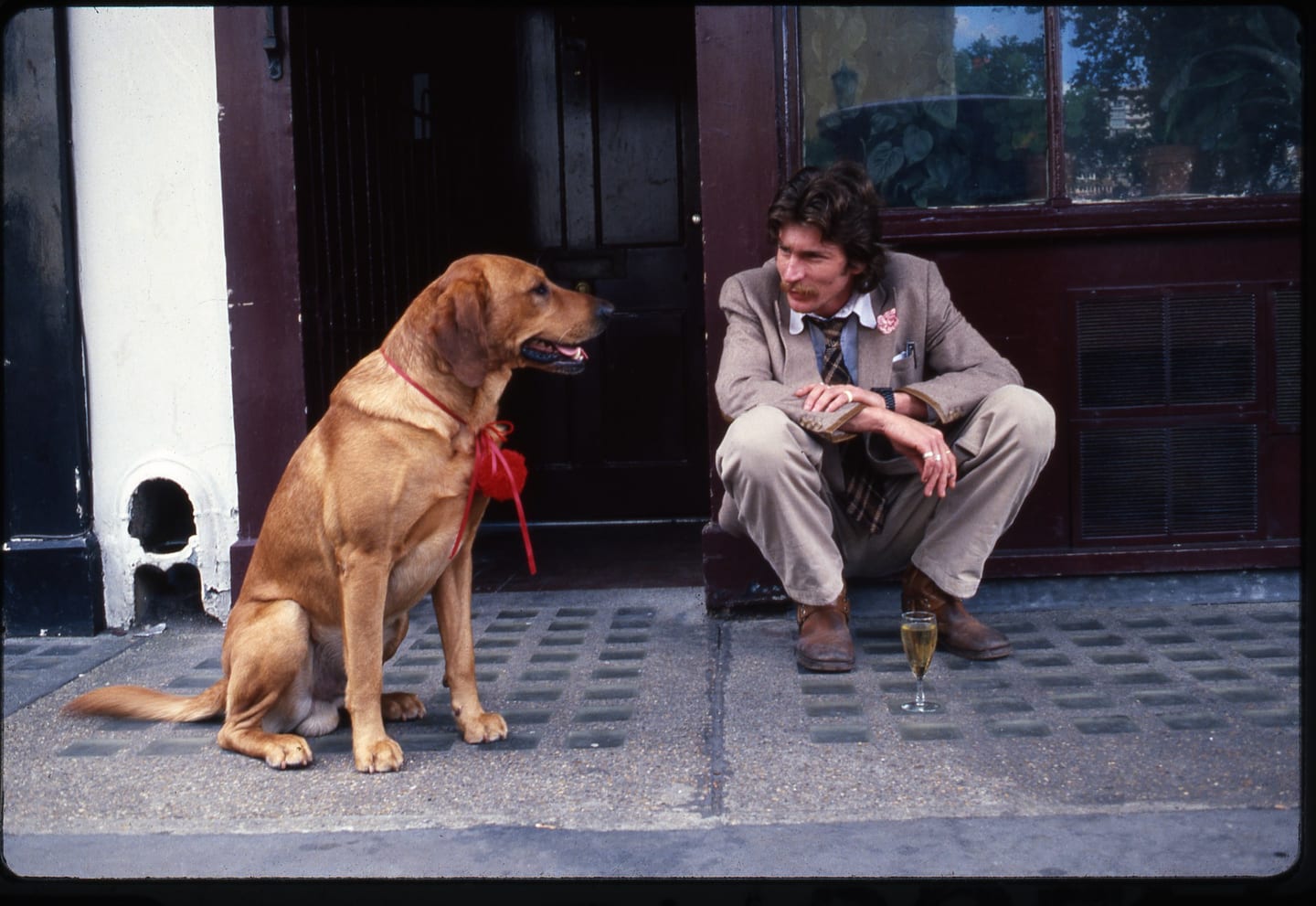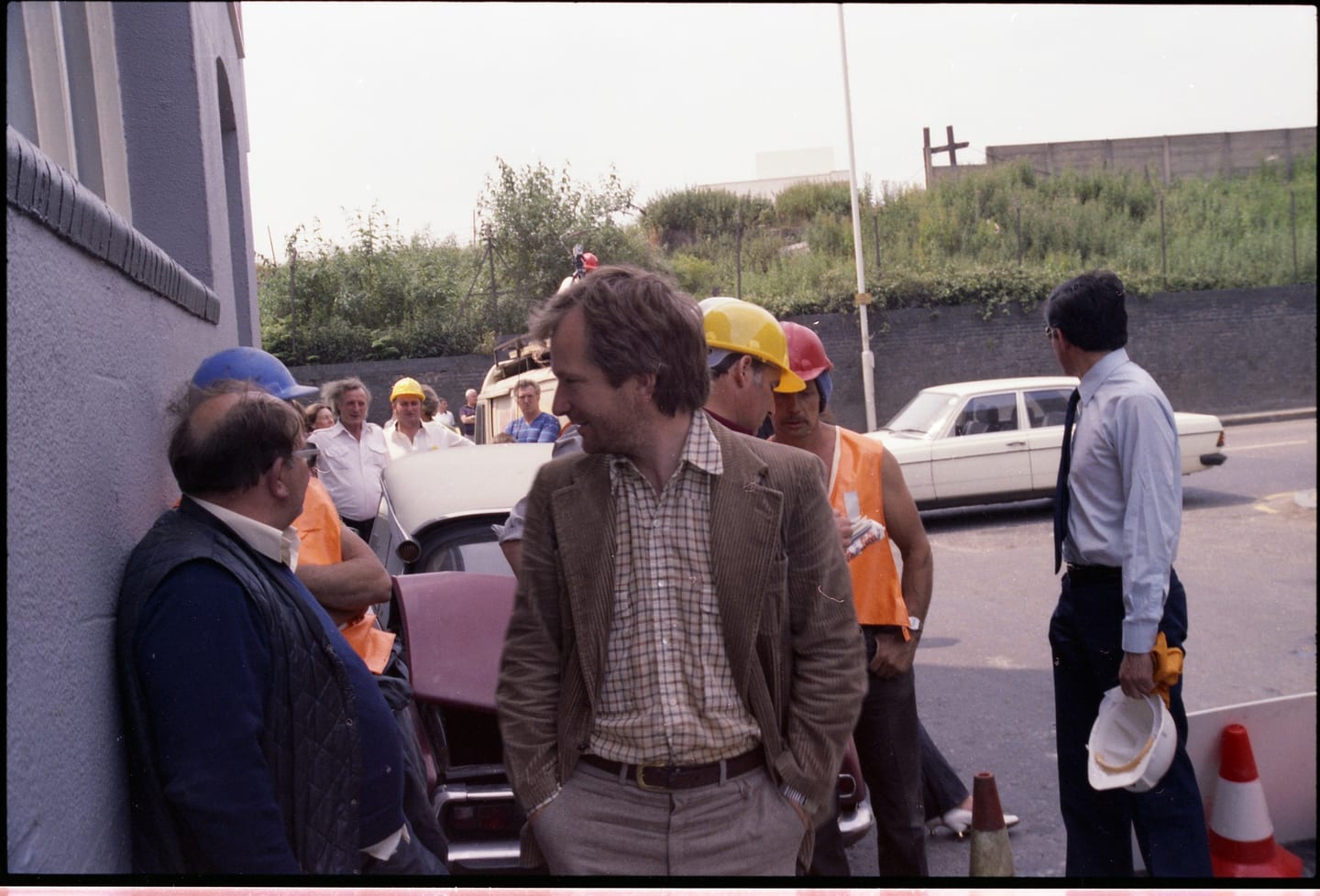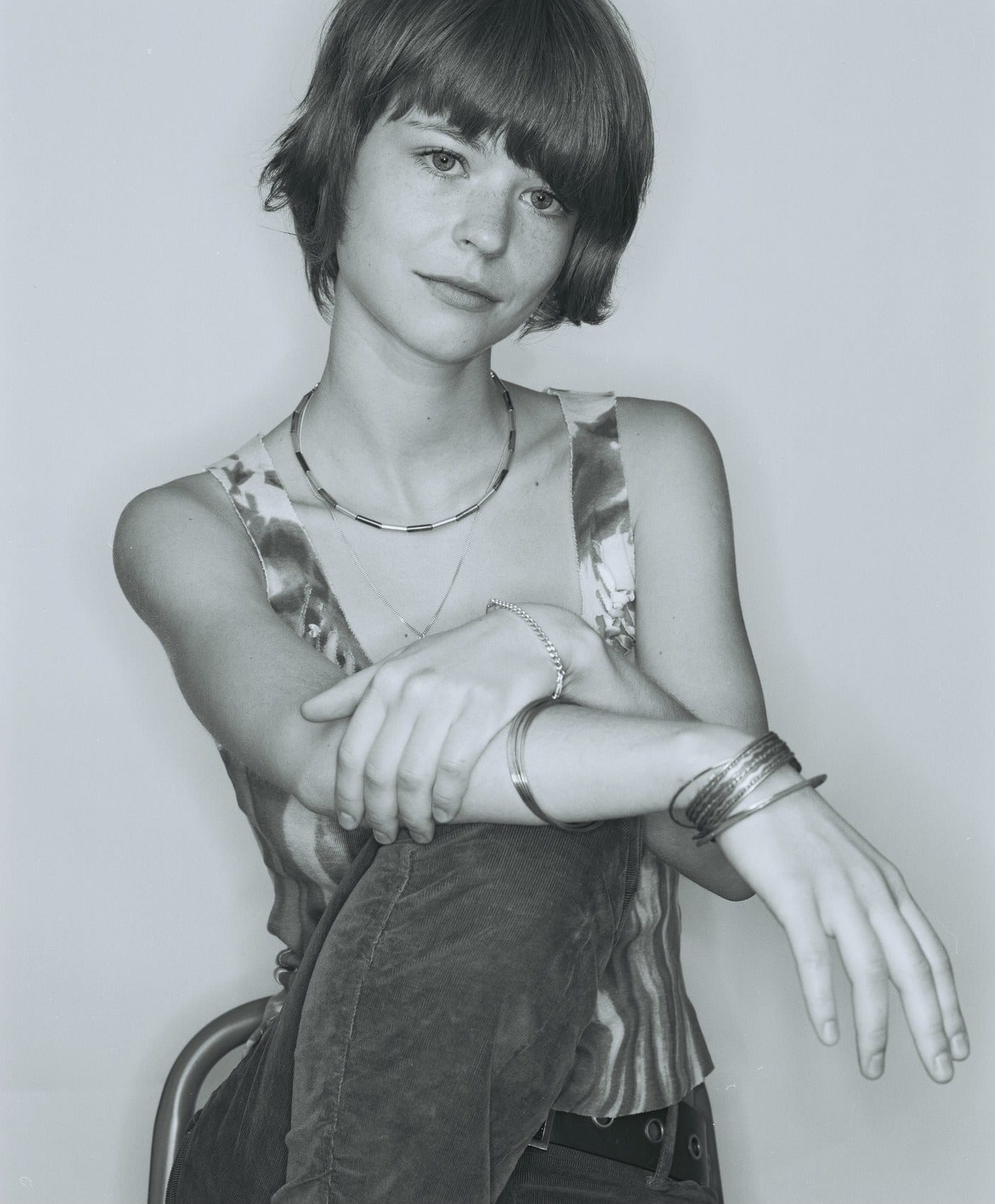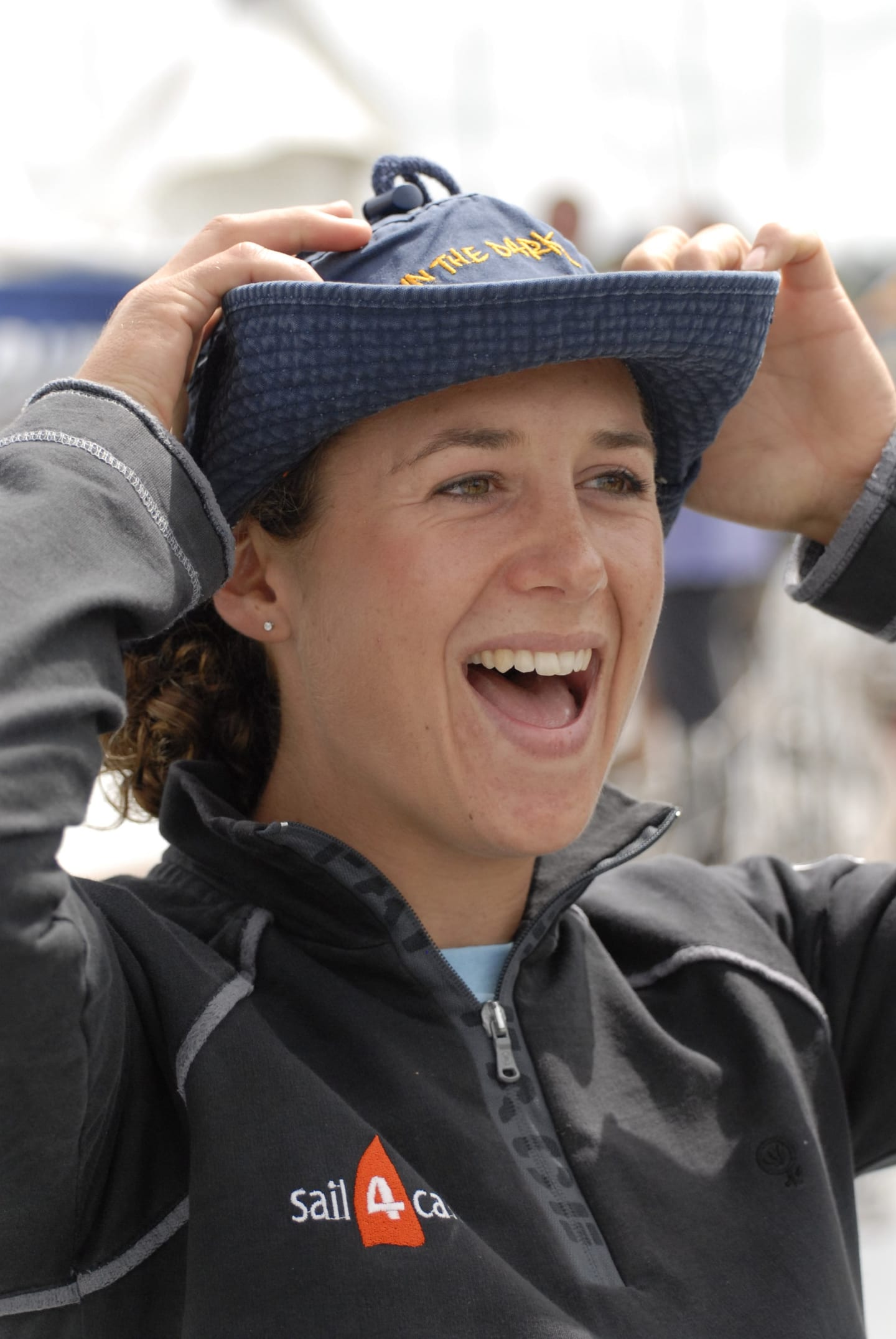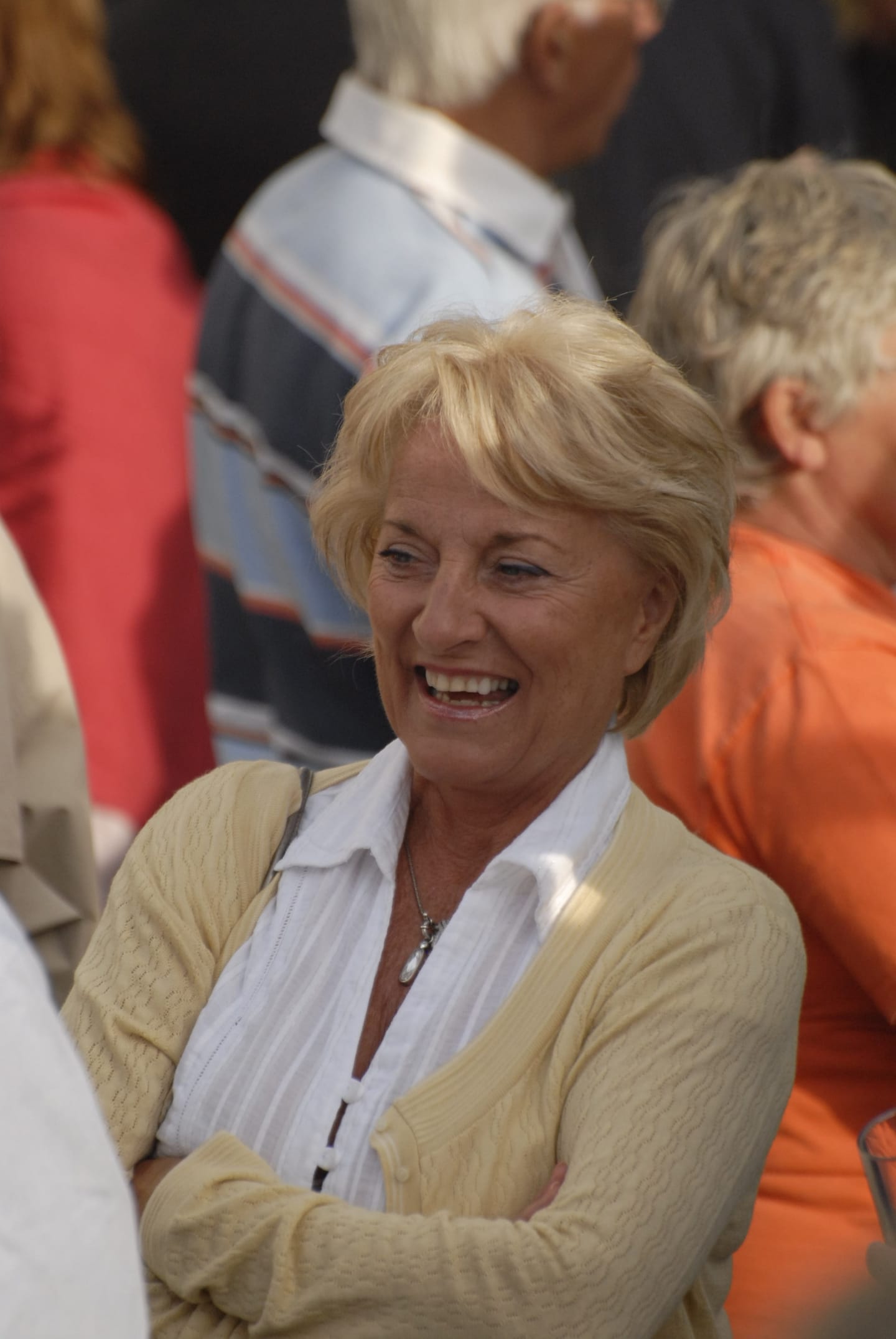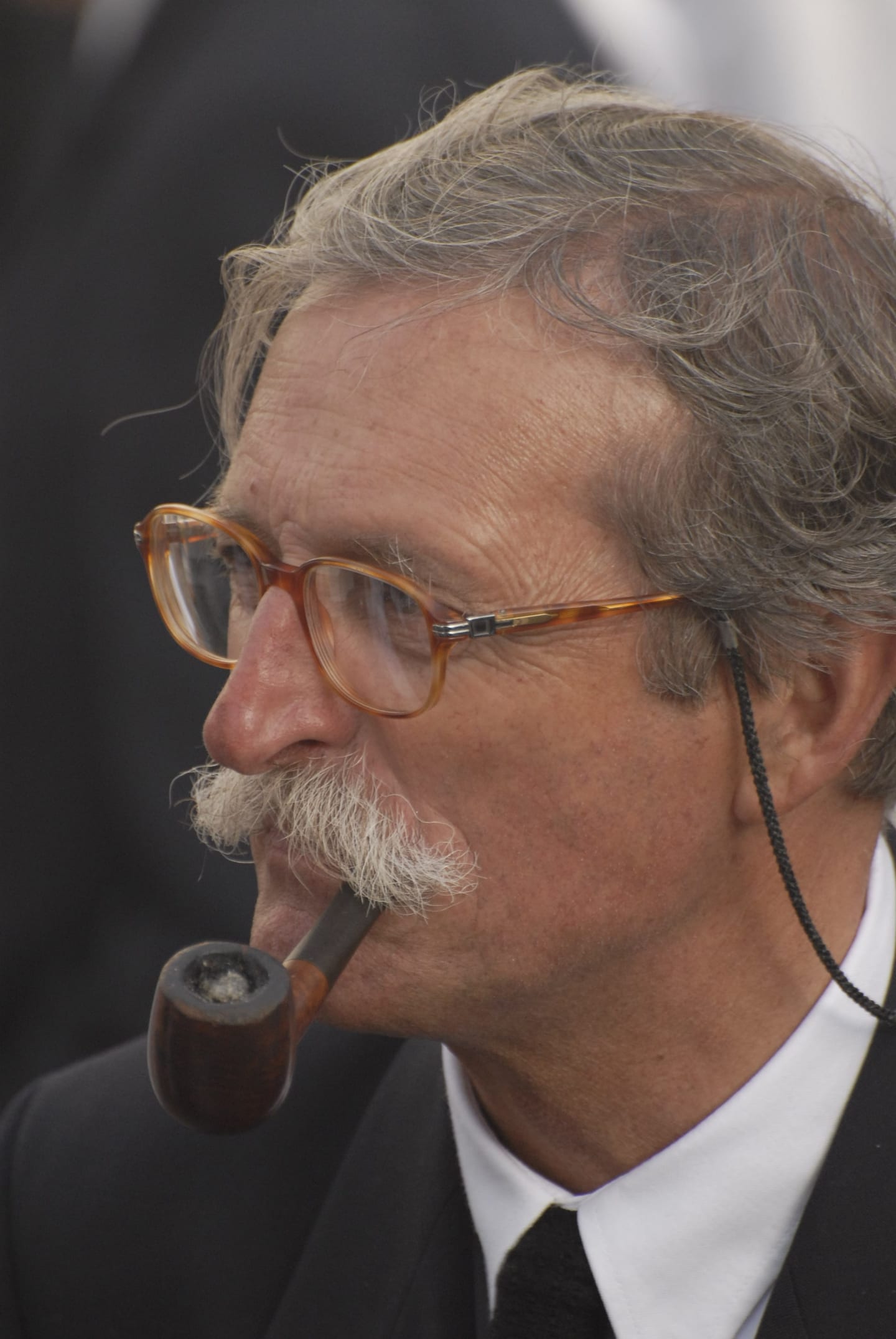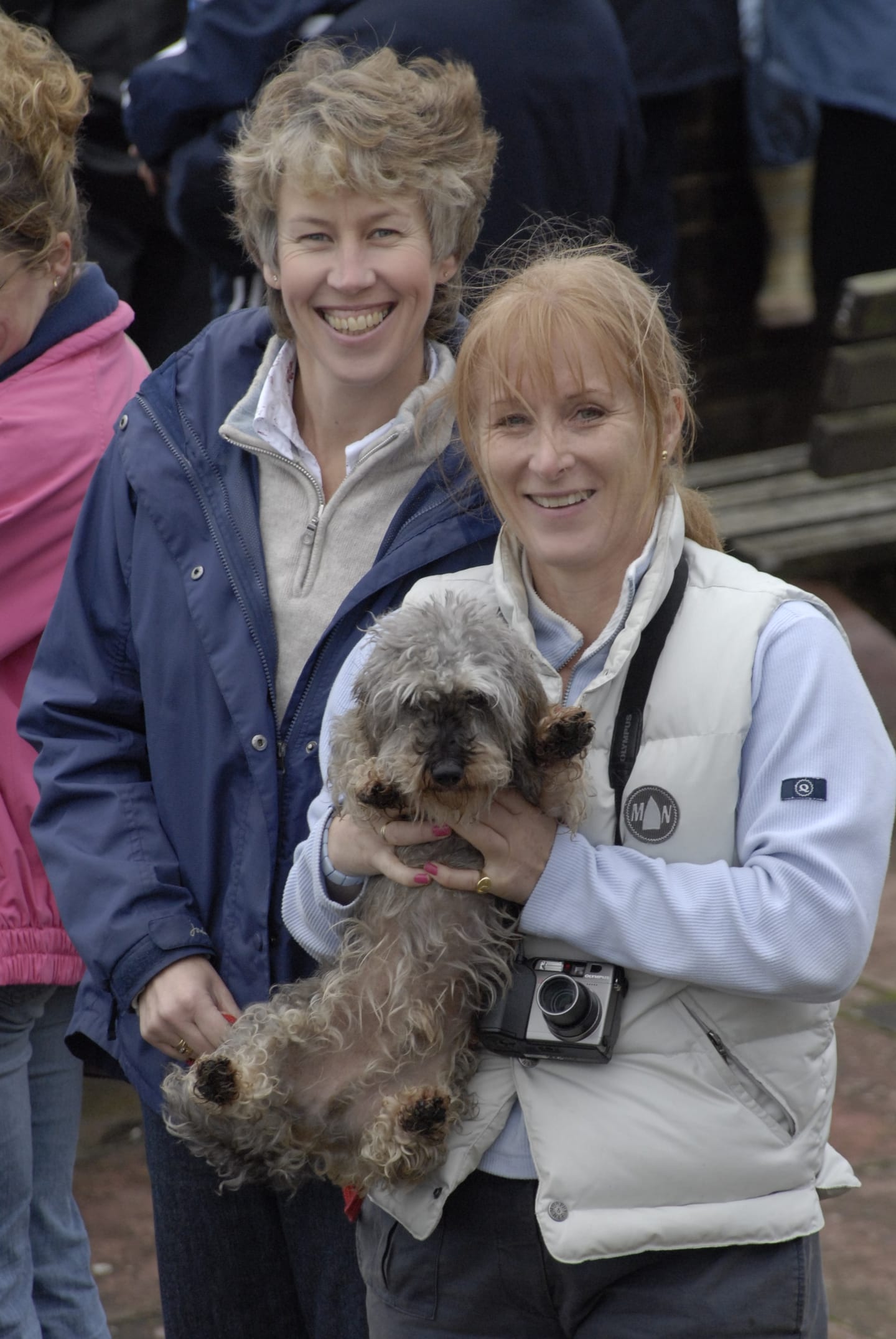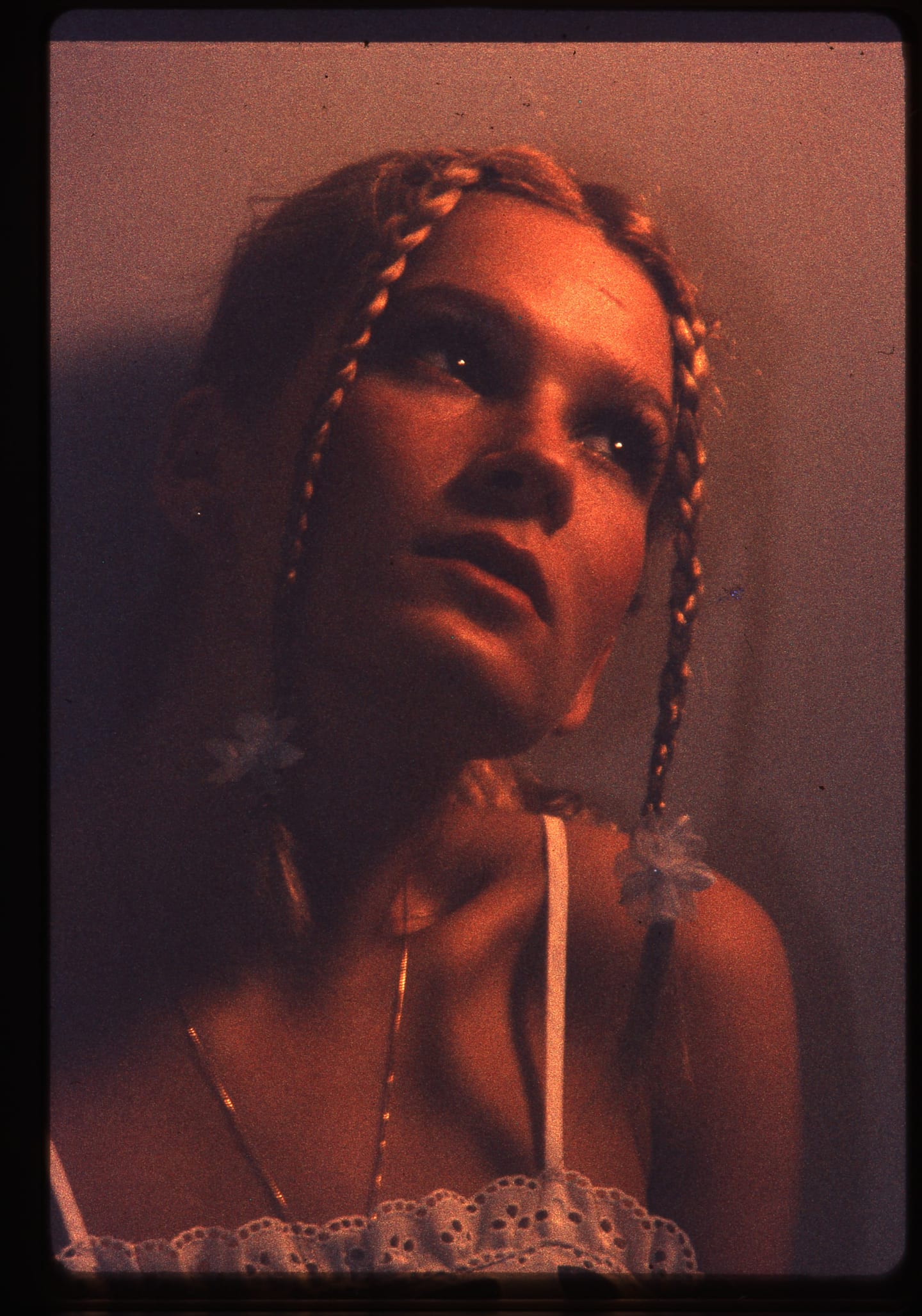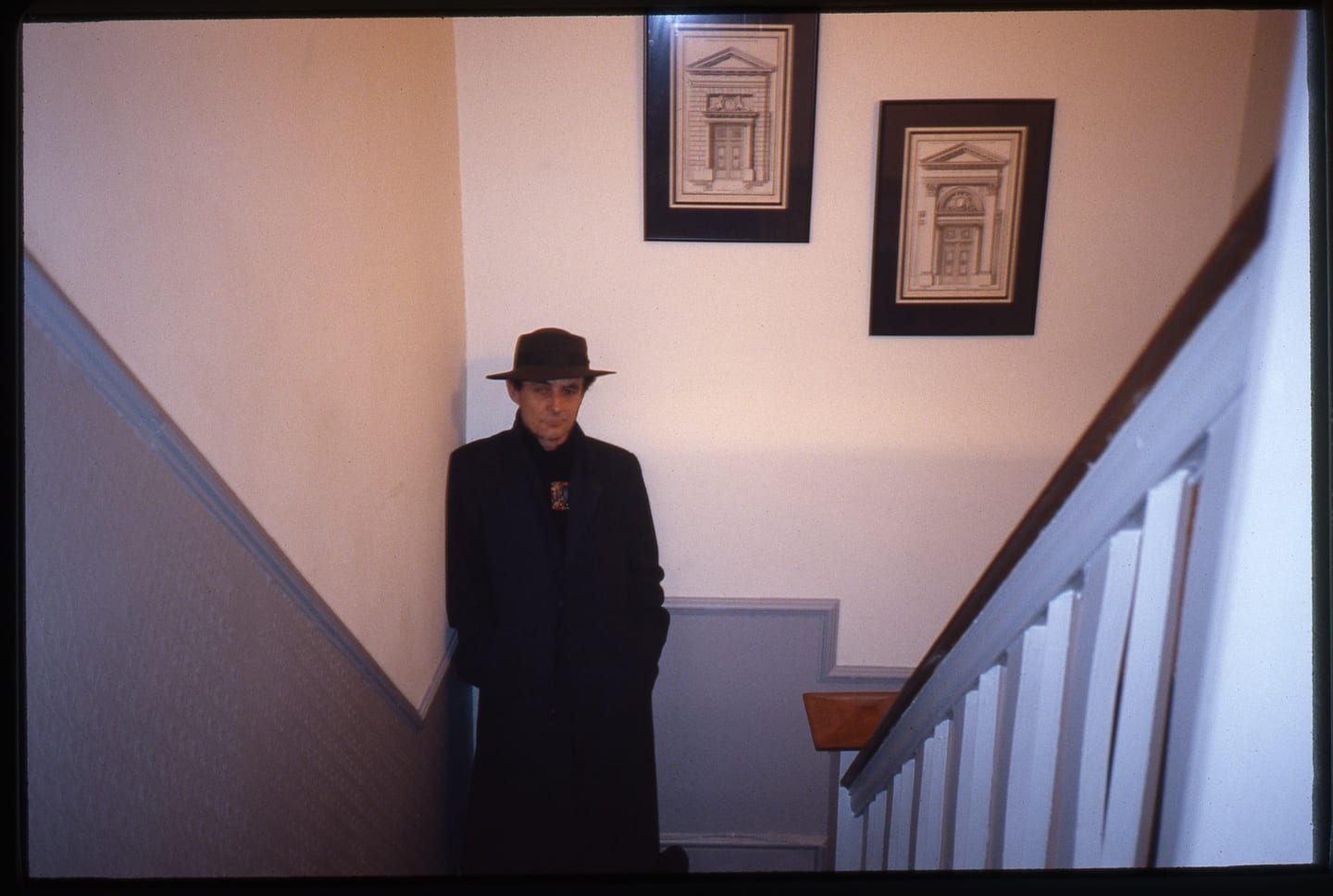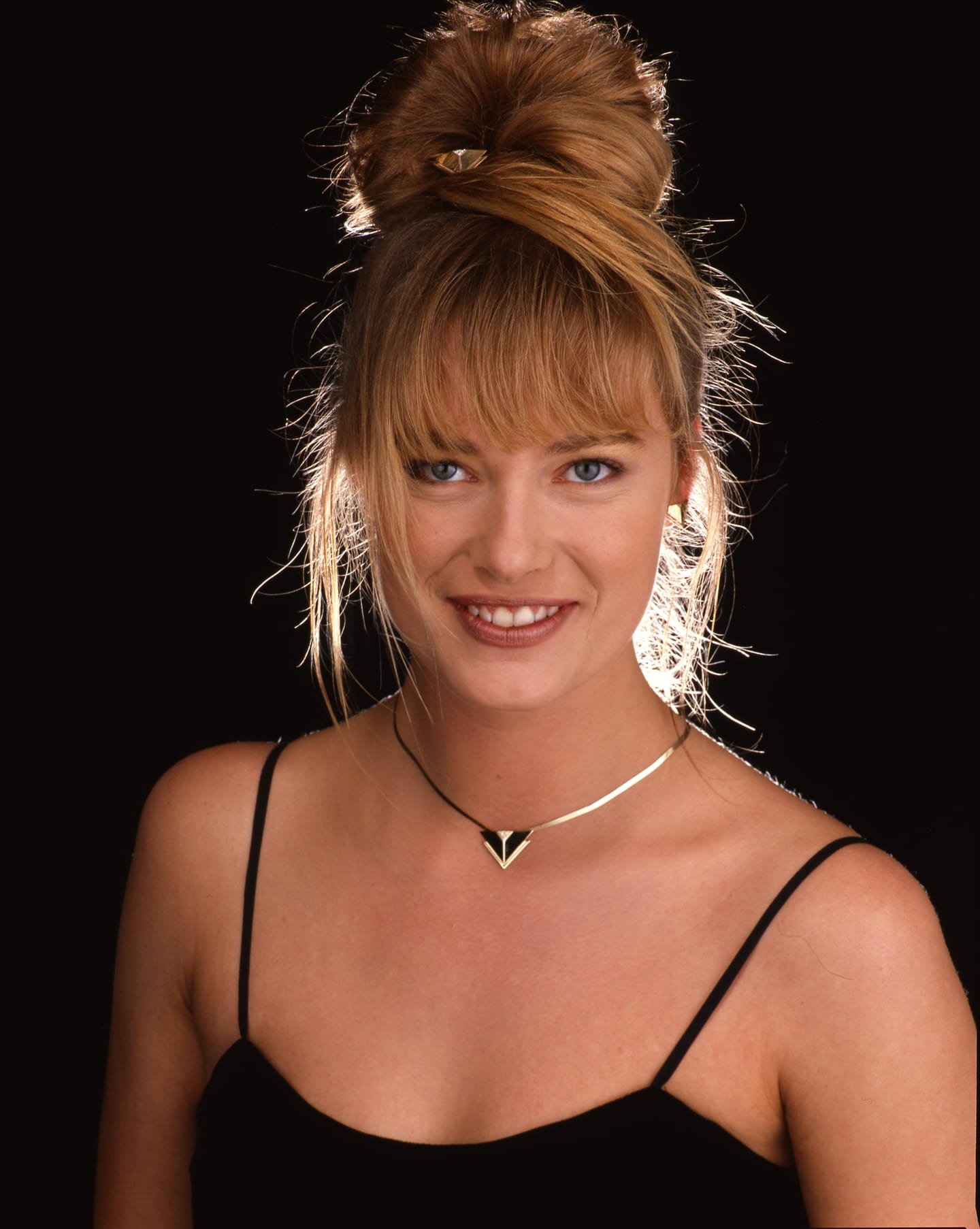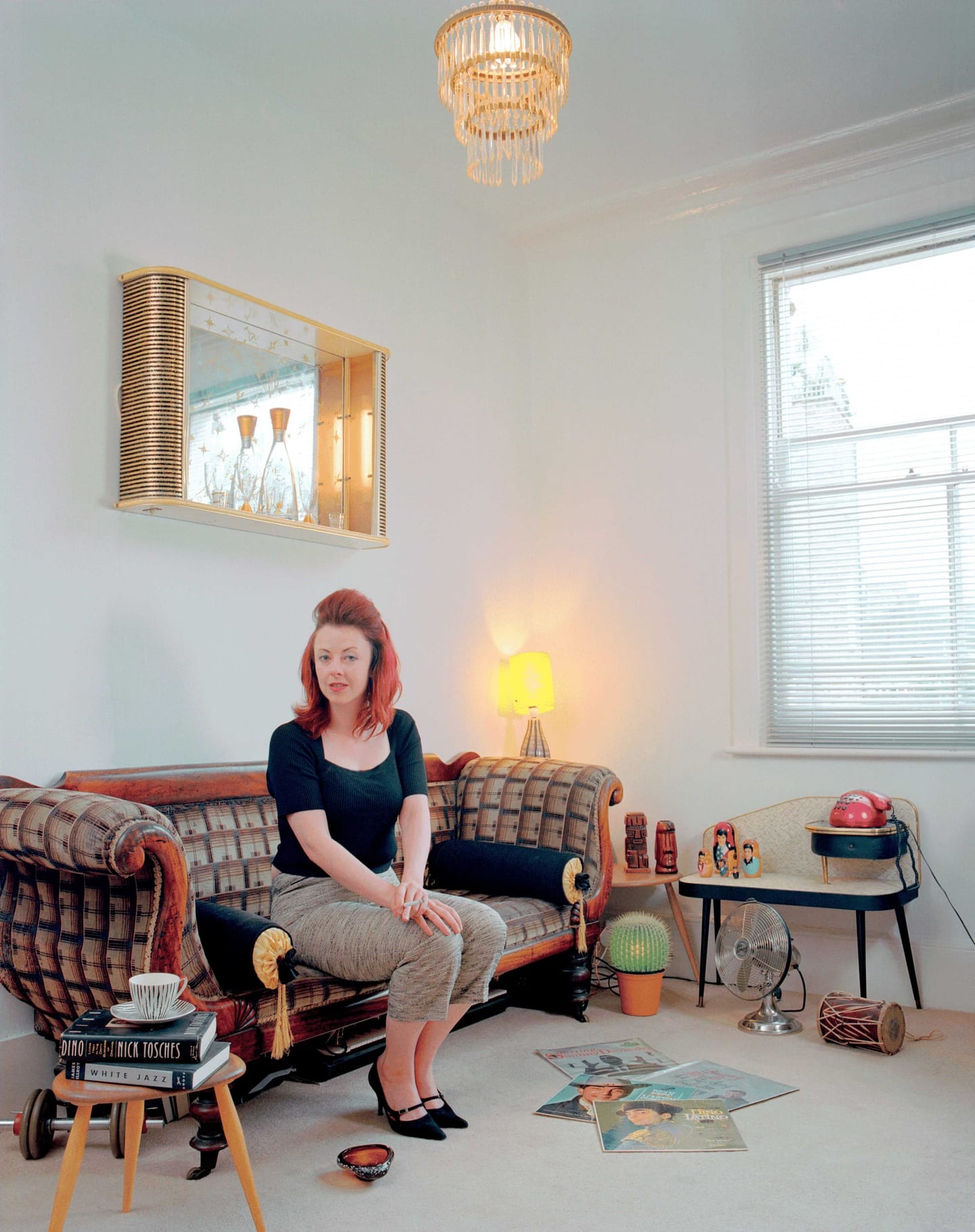
The familiar face presents a particular difficulty. Recognition arrives before observation, and reputation can obscure the person standing before the camera. Robert Harper's portraits resist that shorthand. They look for posture, reserve, humour, concentration and the small visual detail that makes a sitter particular.
The portrait holdings at Archive.London comprise 2,075 photographs across six principal inventory folders. They move through acting, music, literature, sport, politics, art, journalism and performance, bringing celebrated figures into the same archive as working artists and lesser-known cultural subjects.
Different kinds of encounter
Not every image was made under the same conditions. Some subjects appear through formal portrait sessions. Others were photographed during rehearsals, performances, professional assignments or editorial encounters. A portrait made in a controlled studio carries a different tension from one made in a theatre, concert hall or working environment.
The archive includes material involving Robert De Niro, Sir Bobby Charlton, Sir Hardy Amies, Ken Russell, Paul Whitehouse, Anthony Powell, Candida Crewe, Zerbanoo Gifford and Anton Lesser. It also records pianists, opera singers, actors, writers, journalists, models, directors and visual artists whose work formed part of Britain's broader cultural landscape.
Descriptions of individual sittings and performances are limited to the surviving photographic record.
The photographer behind the sitting
Harper's first sold photograph showed The Who in concert when he was fourteen. That early encounter with performance anticipated a career in which people and presentation remained closely connected.
His later education in London included two years at the Condé Nast studios, assisting David Bailey, Helmut Newton and Lester Bookbinder. Fashion and beauty sharpened his understanding of gesture, clothing, surface and controlled light. Editorial work taught him to make a portrait carry meaning quickly, while retaining enough ambiguity to invite a second look.
As a regular contributor to Elle and The Telegraph Magazine for more than fifteen years, Harper worked within publications that required personality to be translated into a strong page. The archive preserves the result across colour transparencies, black-and-white material, contact sheets and finished selections.
Clothing, setting and expression
Portraiture is never confined to the face. A tailored jacket, a musician's instrument, the formality of a chair or the plainness of a background can alter how a sitter is read. Harper's wider command of fashion and still life gave him an unusual sensitivity to those surrounding details.
In some portraits, the setting provides context. In others, it falls away so that expression and stance do almost all the work. The collection is therefore useful not only as a record of individual subjects, but as a study of changing editorial portrait conventions.
Research and access
Subject research focuses on Harper's photographs and their recorded context.
Archive.London welcomes enquiries from publishers, documentary producers, curators, estates, researchers and editorial teams. Please identify the subject, intended use and likely publication or production date.
Explore musicians and bands Read Robert Harper's biography Enquire about portrait material