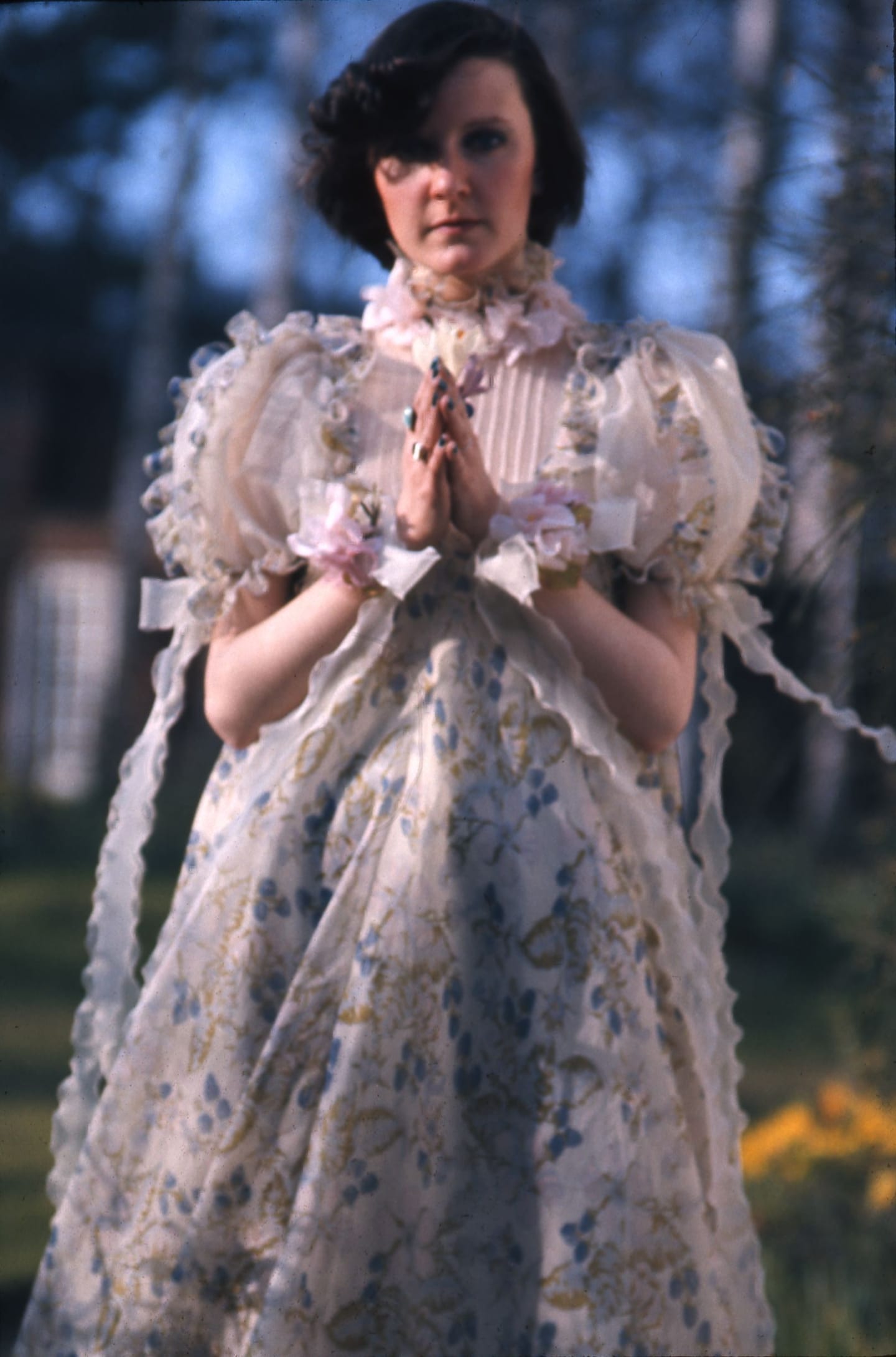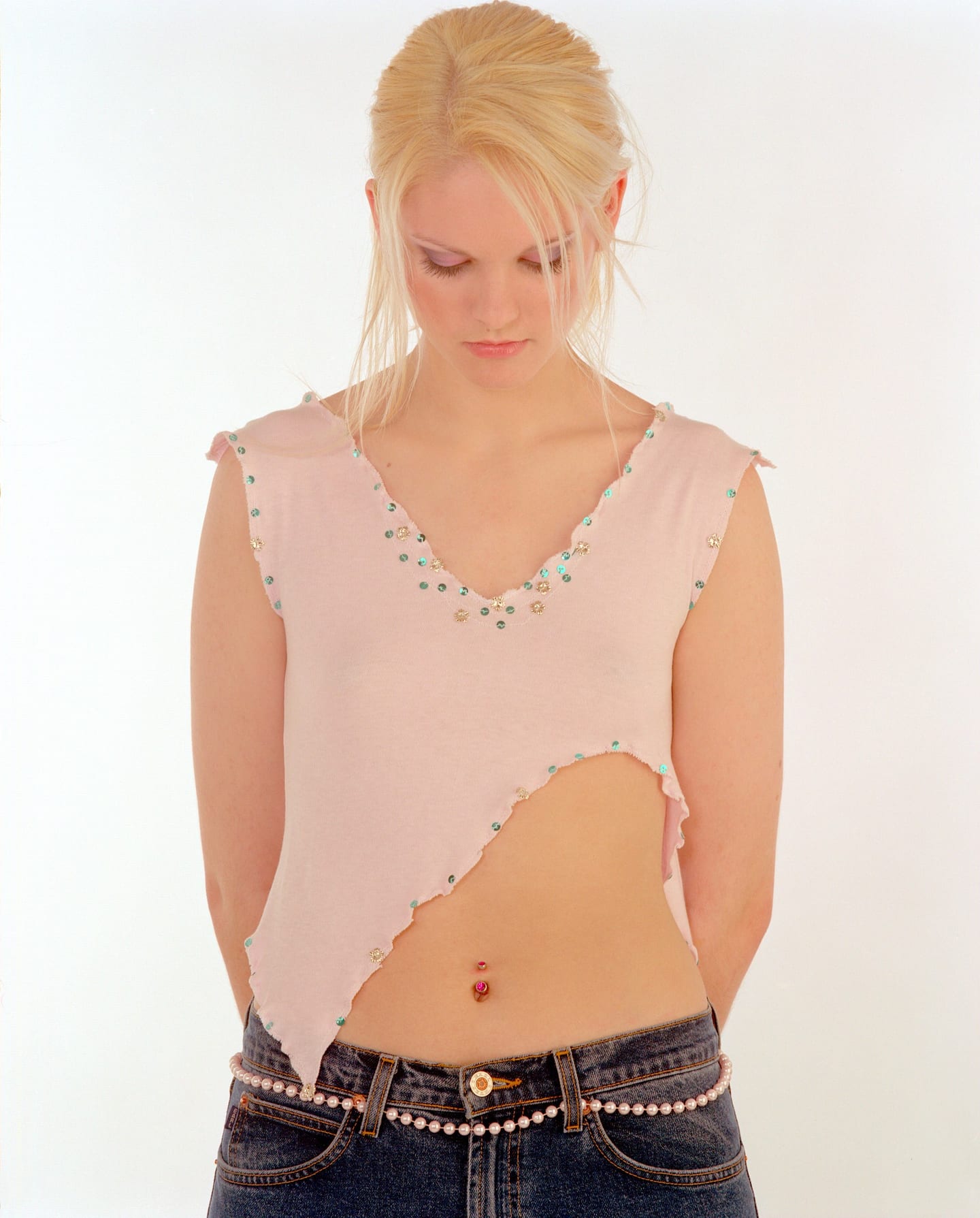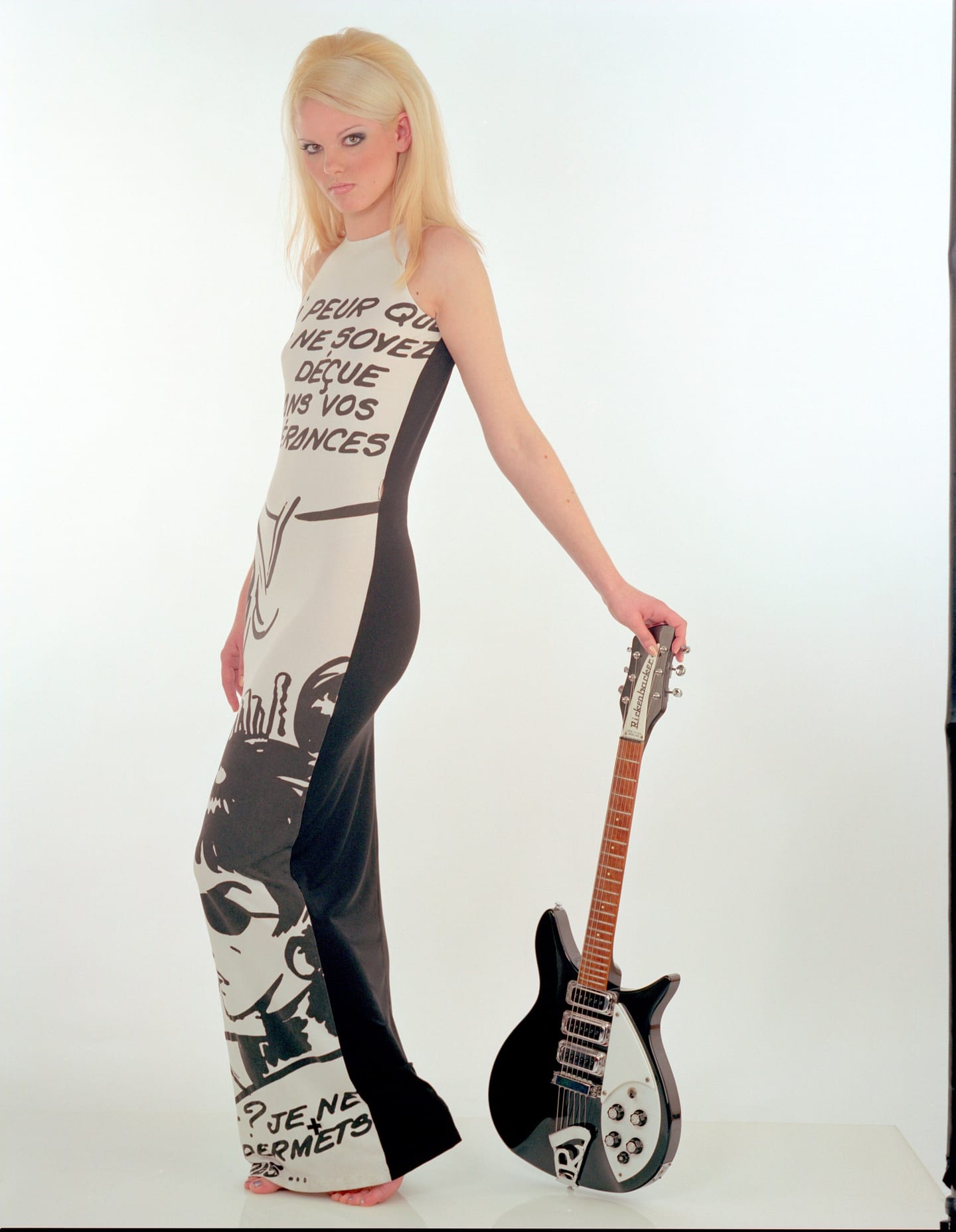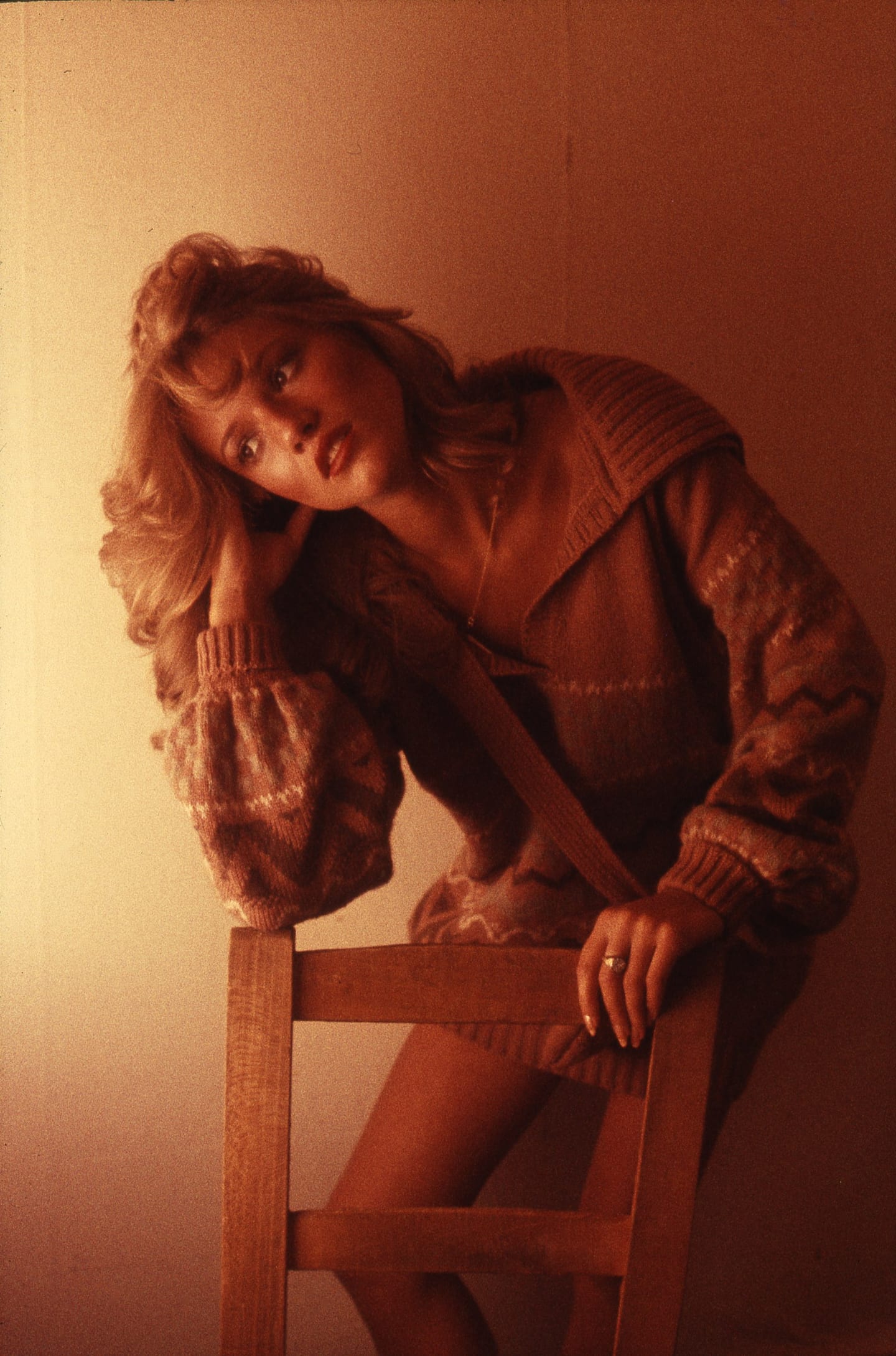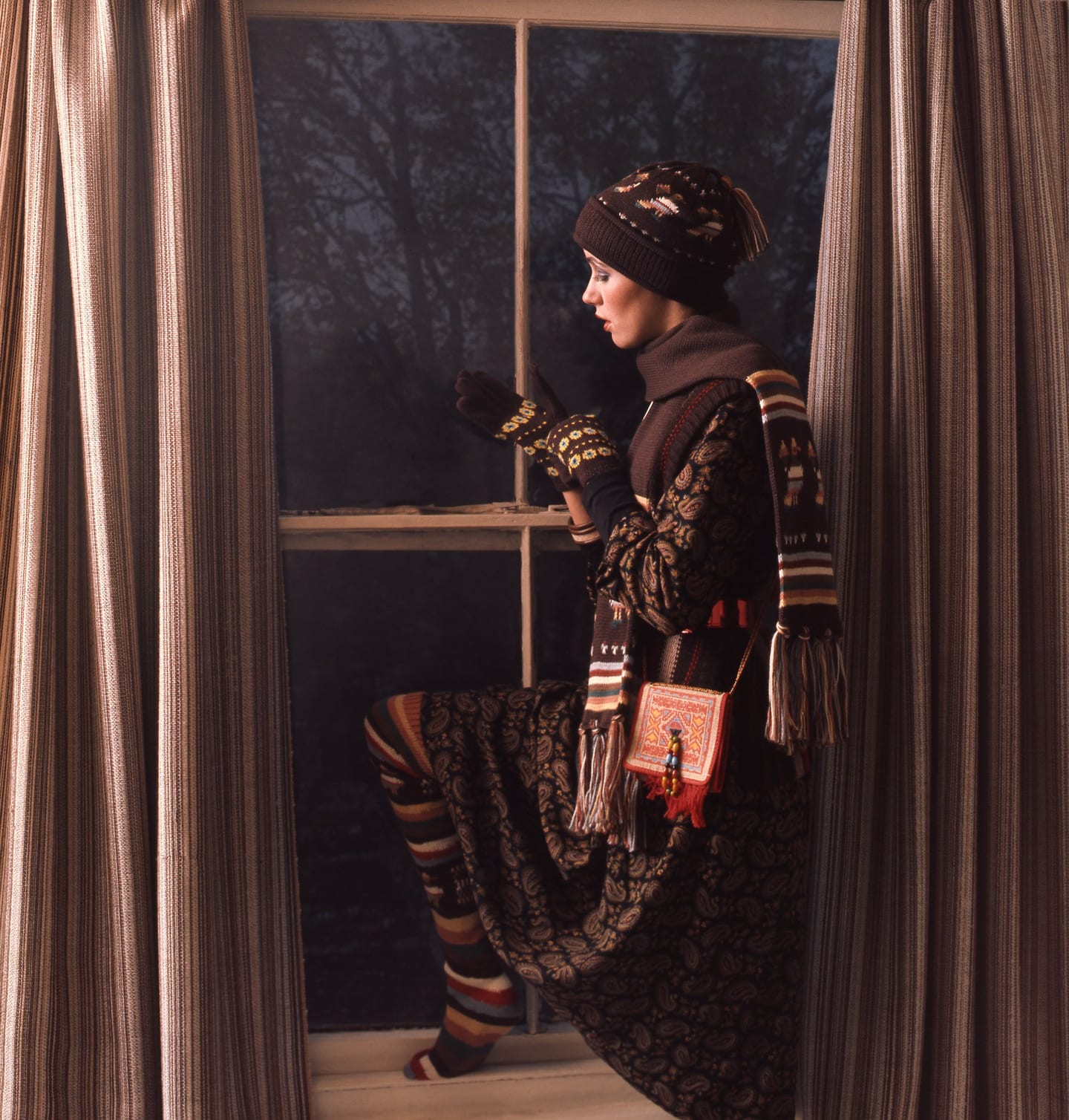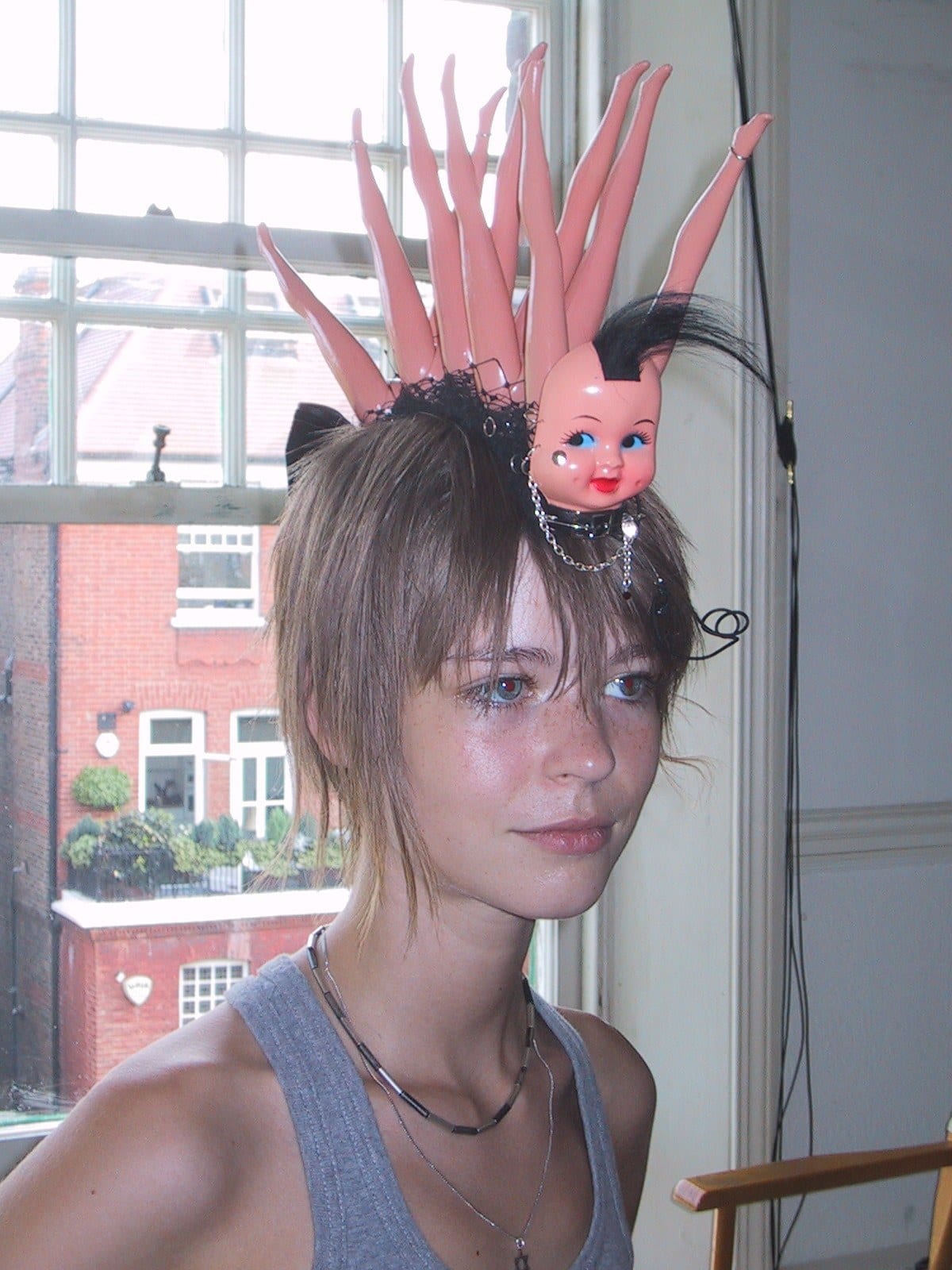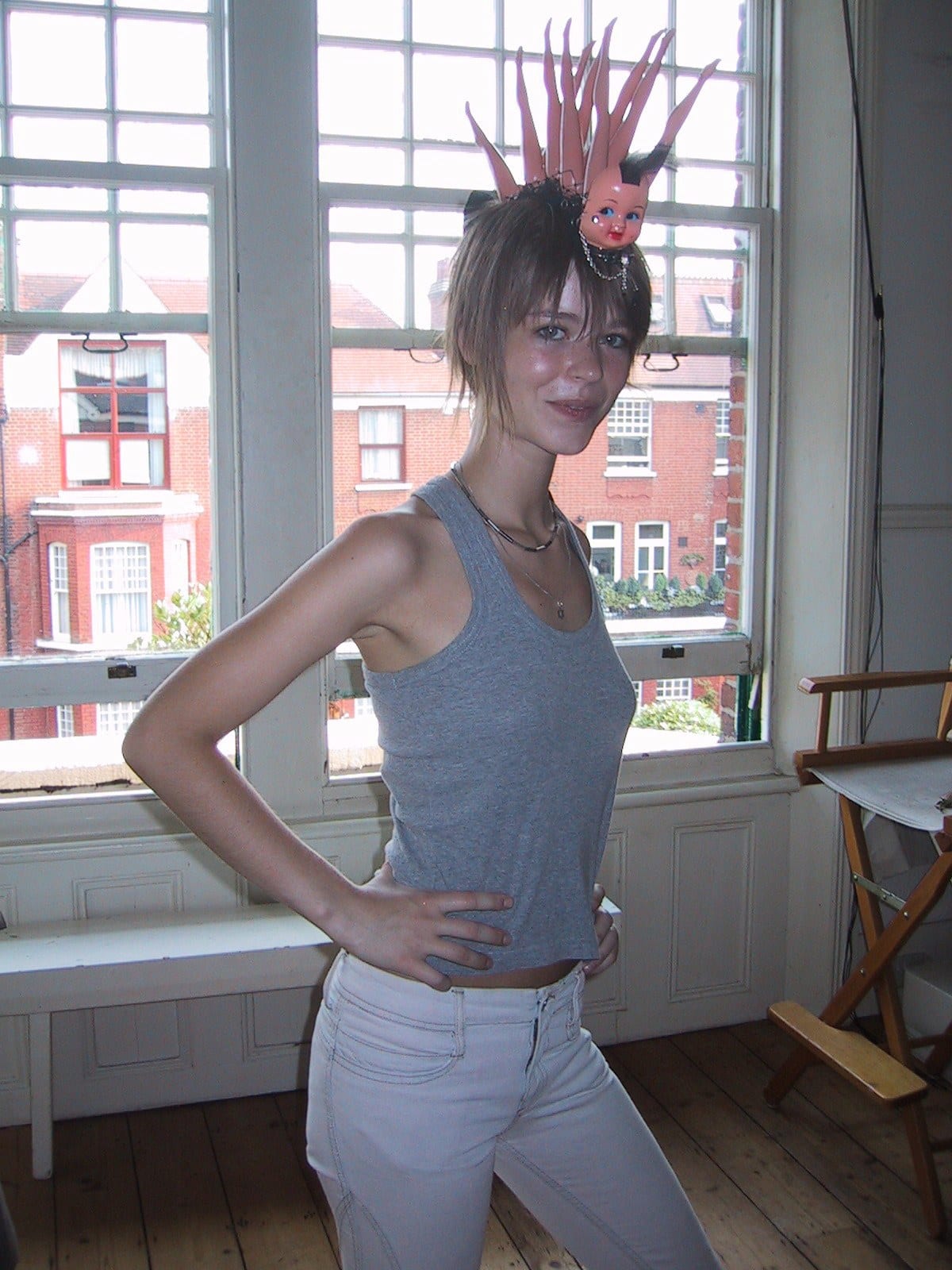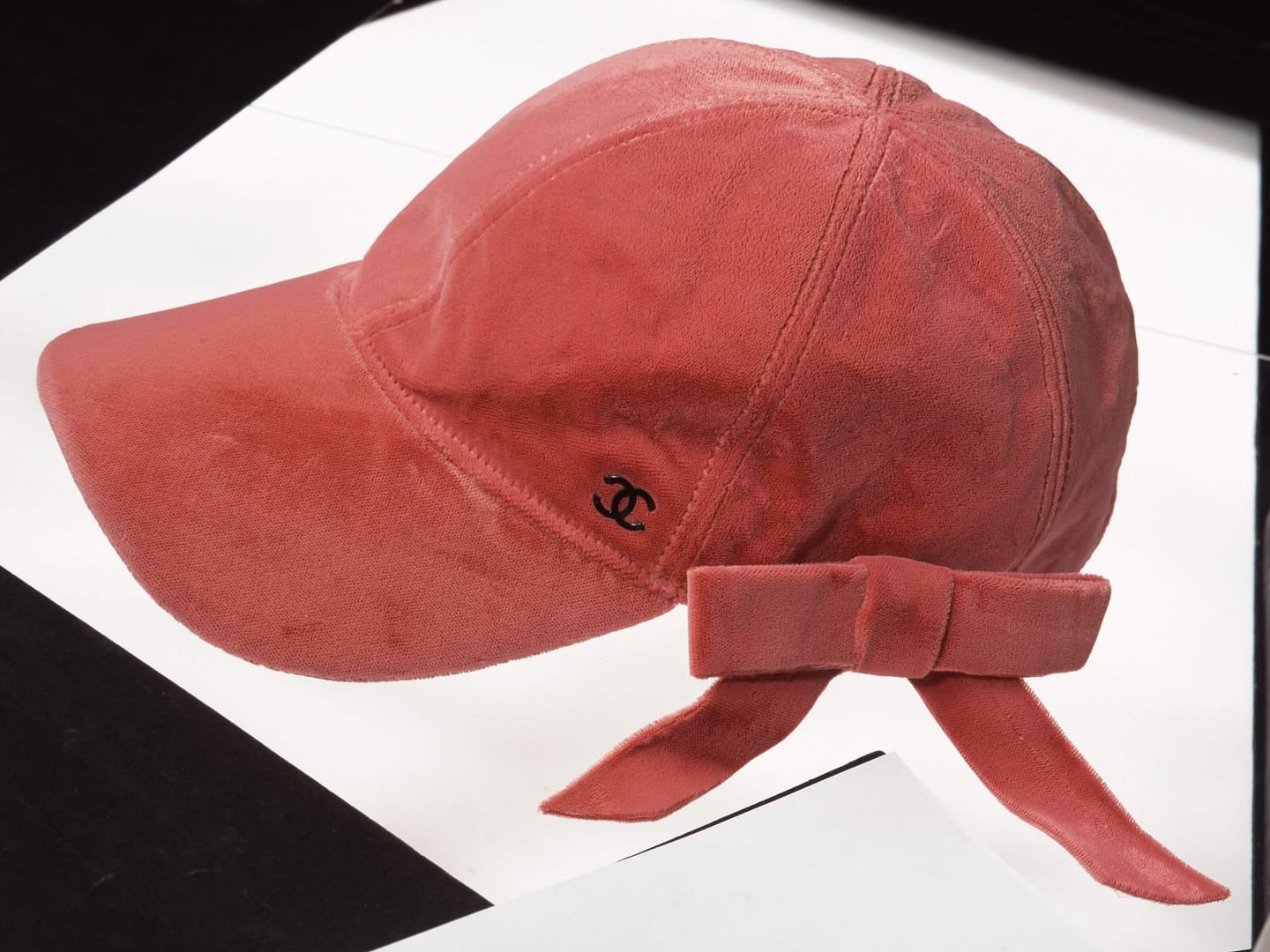
Robert Harper photographed fashion as both image and object. On the body, it became attitude, movement and character. In the studio, without a model, a garment could be reduced to line, construction, colour and the quiet intelligence of its making.
The fashion holdings at Archive.London are among the deepest parts of the Robert Harper Photograph Library. The clothing inventory alone records 6,729 unique shots across 23,115 frames, organised through seventy-two working folders. Beyond clothing, the wider fashion archive extends into designer footwear, handbags, jewellery, cosmetics, fragrance, watches, eyewear, hair accessories and invitations to fashion shows.
An editorial education
Harper's understanding of fashion was formed in London. After moving south from Scotland to study photography, he spent two years at the Condé Nast studios, assisting David Bailey, Helmut Newton and Lester Bookbinder. The experience placed him close to the photographers, editors, stylists and art directors who shaped the visual language of magazines.
He later became a regular contributor to Elle and The Telegraph Magazine for more than fifteen years. His work also entered the pages and professional orbit of Vogue, Tatler, Cosmopolitan, Esquire, The Face, Wallpaper and Harpers & Queen.
The archive preserves evidence of this editorial life in more than finished photographs. It includes transparencies, negatives, contact sheets, Polaroids, magazine pages and fashion set-ups. These materials allow a researcher to look beyond the final selection and consider sequence, variation and the practical construction of a shoot.
A wardrobe of its time
The range is unusually comprehensive. Evening dresses and little black dresses sit beside denim, knitwear, tailoring, rainwear, swimwear and underwear. There are long coats, cropped jackets, men's shirts, women's suits, scarves, gloves, hats, ties, belts and detailed studies of fabric.
Some categories read like an index of changing silhouettes. Skirts move from mini to mid-length. Jackets shift between leather, denim, single-breasted and double-breasted forms. Tops move through the spaghetti straps, fitted lines and glamour fabrics of successive editorial seasons.
These photographs should not be presented merely as product records. Together, they hold evidence of styling, gender, retail culture and the way magazines taught readers to recognise what was current.
Accessories with a life of their own
Harper's still-life discipline gave accessories a distinctive authority. A handbag could be photographed as a small piece of architecture. A shoe might be balanced around the force of its heel, curve or fastening. A pair of gloves became a study in gesture even when no hand was present.
The inventory records designer objects associated with houses and designers including Chanel, Prada, Gucci, Christian Dior, Louis Vuitton, Burberry, Mulberry, Fendi, Givenchy, Valentino, Versace, Paul Smith, Manolo Blahnik, Jimmy Choo, Christian Louboutin, Vivienne Westwood and Anya Hindmarch.
Their presence in the inventory does not, by itself, establish that each brand commissioned the photographs. Archive.London distinguishes carefully between confirmed clients, editorial appearances and objects represented within the collection.
From garment to finished page
Fashion photography is collaborative, but the finished image depends on a photographer's ability to control competing information. Fabric must retain texture. Colour must survive reproduction. A model's gesture must support the clothes without becoming mannered. The page needs energy, but also space for typography, cropping and editorial rhythm.
Harper's archive is valuable because it carries these decisions across thousands of variations. It can be read garment by garment, but also as a sustained professional study of how fashion was prepared for the British magazine page.
Researching the collection
Fashion image selection can be discussed through a professional enquiry. The underlying collection is considerably larger than the material presently visible online.
Archive.London welcomes enquiries concerning editorial history, designers, fashion decades, garment types, exhibitions, documentary research and rights-managed image use. Requests should identify the intended subject and use as precisely as possible.
Explore designer footwear Explore handbags and accessories Explore beauty and cosmetics Make a professional enquiry