A handbag belongs to public appearance and private life at once. Its exterior communicates taste, occasion and status. Its interior remains personal, built around the practical rituals of carrying, keeping and travelling.
The Robert Harper archive contains 1,581 unique bag photographs across 5,623 frames and twenty-three inventory folders. Clutches, evening bags, shoulder bags, daytime handbags, purses, briefcases, luggage, sports bags, rucksacks, shopping bags and travel cases form a collection of considerable variety.
Designer form
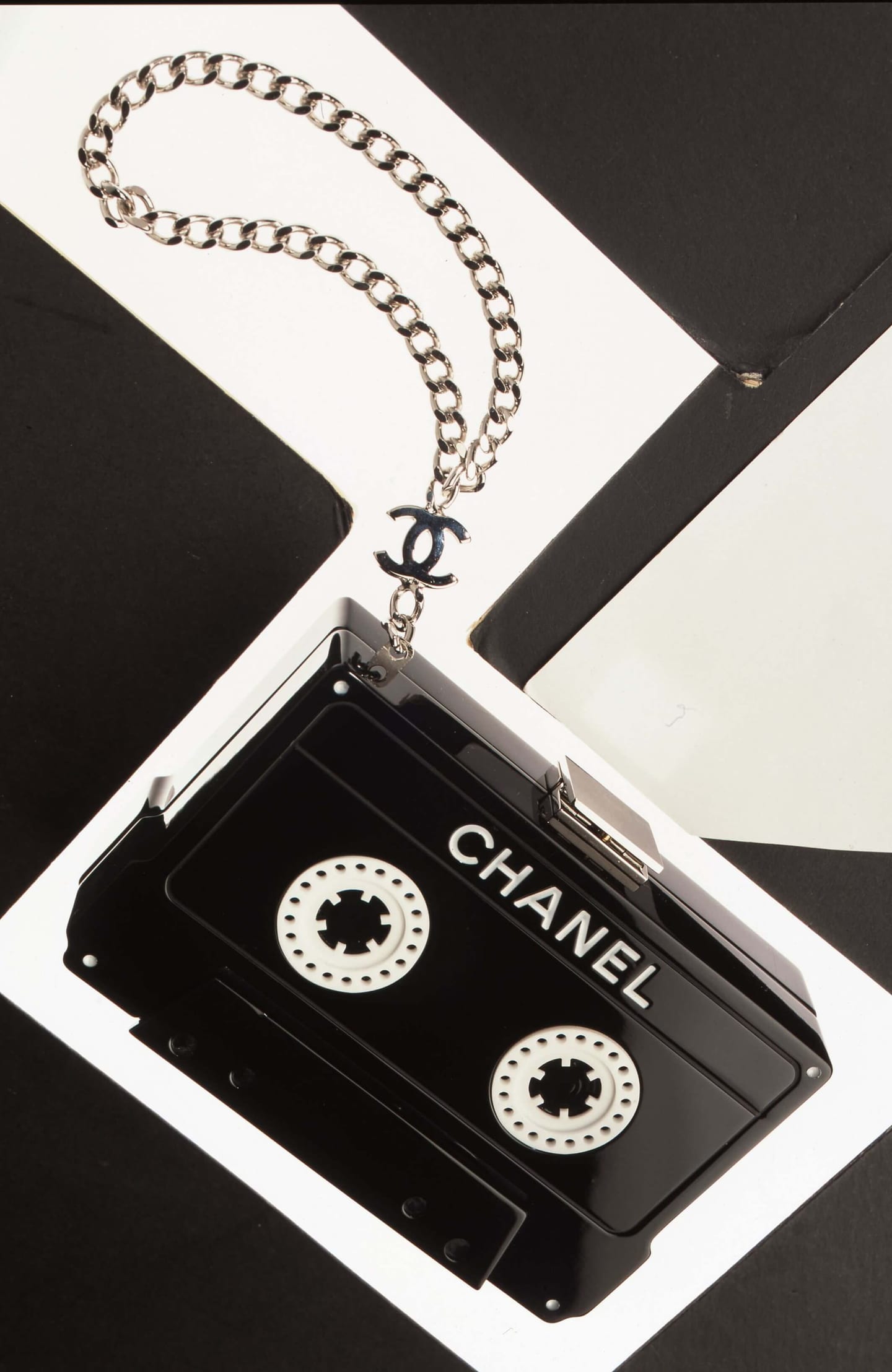
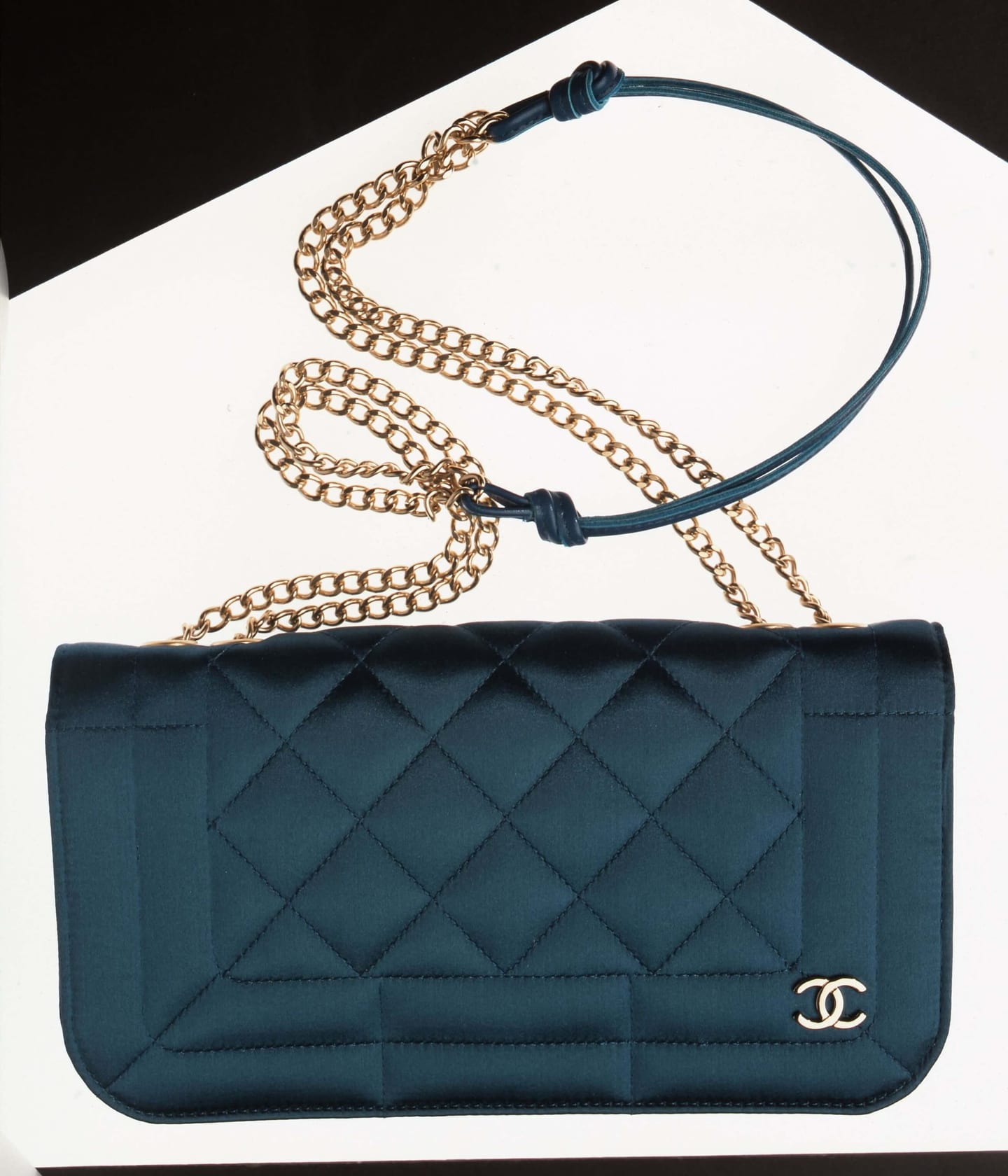
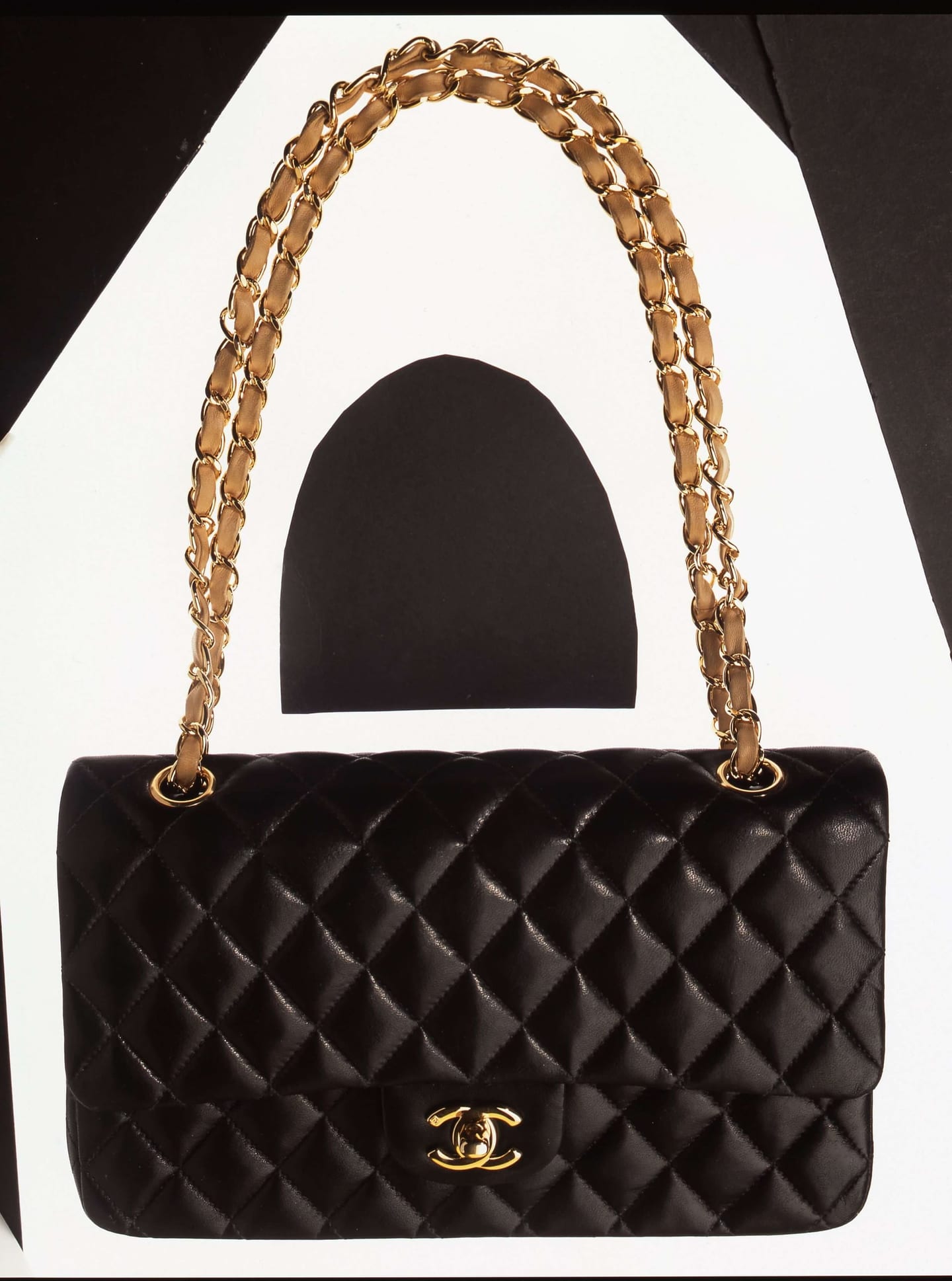
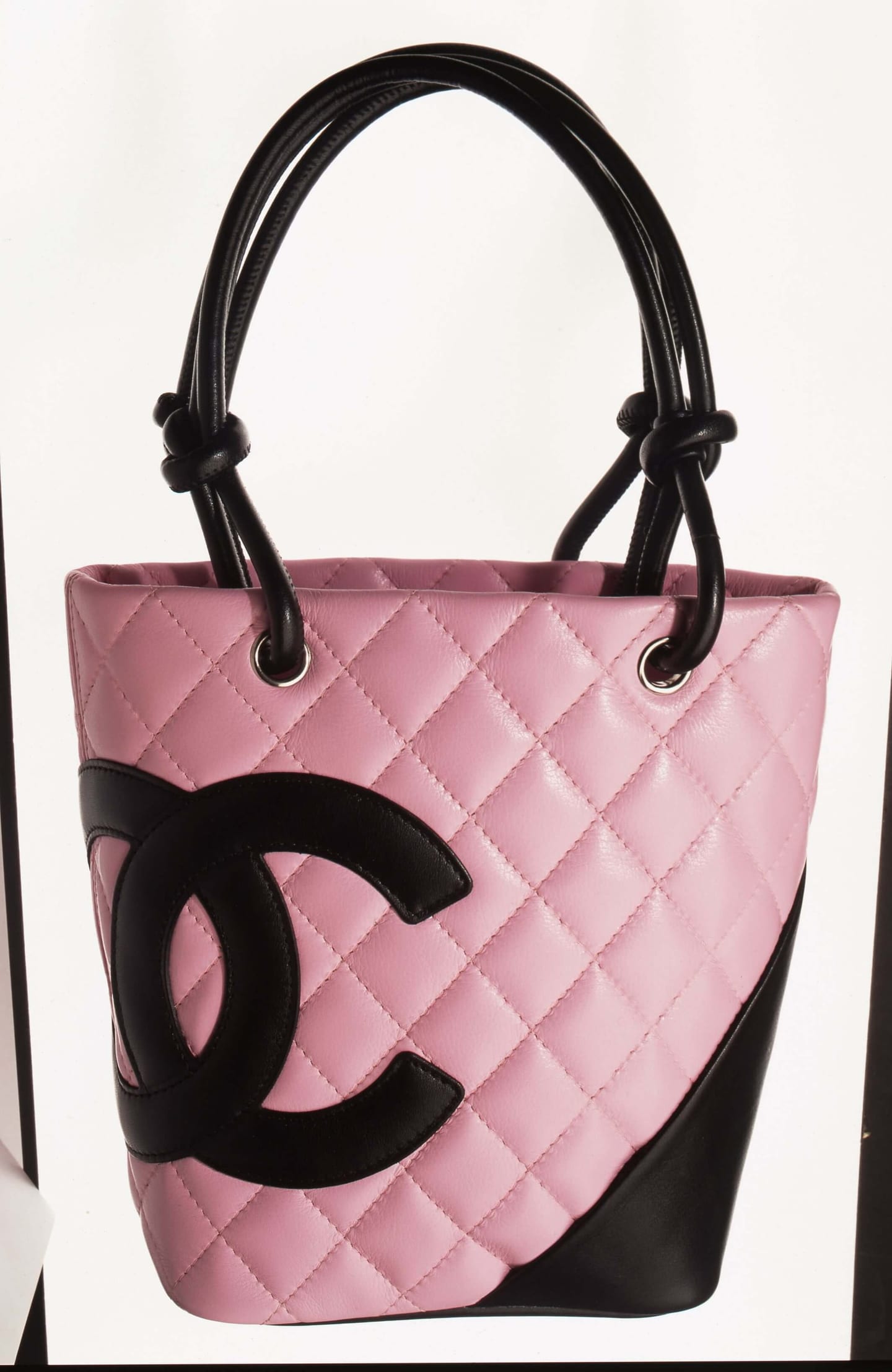
The inventory identifies bags associated with Prada, Chanel, Paul Smith, Fendi, Burberry, Mulberry, Gucci, Dolce & Gabbana, Tommy Hilfiger, Christian Dior, Louis Vuitton, Jasper Conran, Lulu Guinness, Loewe, Givenchy, Marc Jacobs, Chloé, Paco Rabanne, Emilio Pucci, Anya Hindmarch, Moschino, Patrick Cox, Calvin Klein and Valentino.
The photographed objects are represented within the archive. Their inclusion does not imply endorsement, a direct commission or an official relationship with every named house.
Structure, surface and scale
Harper's still-life photography gave bags a clarity that is both descriptive and editorial. Basket weave, patent leather, fabric, metal fastenings, chains and handles each respond differently to light. A small clutch can fill the frame like an ornament. Luggage asks for scale. A group of handbags needs spacing precise enough to keep every silhouette legible.
The inventory's divisions reveal the visual vocabulary of the category: drawstring, shoulder, clutch, evening, small, novelty, sports and travel. These are not merely retail labels. Each construction changes how the object occupies space and how it might be carried by an imagined wearer.
Fashion without the model
Harper's career in fashion and beauty was rooted in London editorial culture. His two years at the Condé Nast studios preceded more than fifteen years as a regular contributor to Elle and The Telegraph Magazine.
That experience is visible even when no model appears. The bags retain a relationship to gesture, clothing and occasion. They are photographed as accessories to a life just outside the frame.
The archive's magazine pages, fashion set-ups and Polaroids may provide further context as cataloguing progresses. Together, these records may help reconstruct the relationship between an isolated product photograph and its wider editorial story.
Research and licensing
The collection may support fashion histories, brand research, exhibitions, design publishing, period productions and rights-managed editorial use. Photographic selections can be discussed with the archive.
Explore fashion photography Explore designer footwear Explore travel accessories Enquire about the handbag archive