
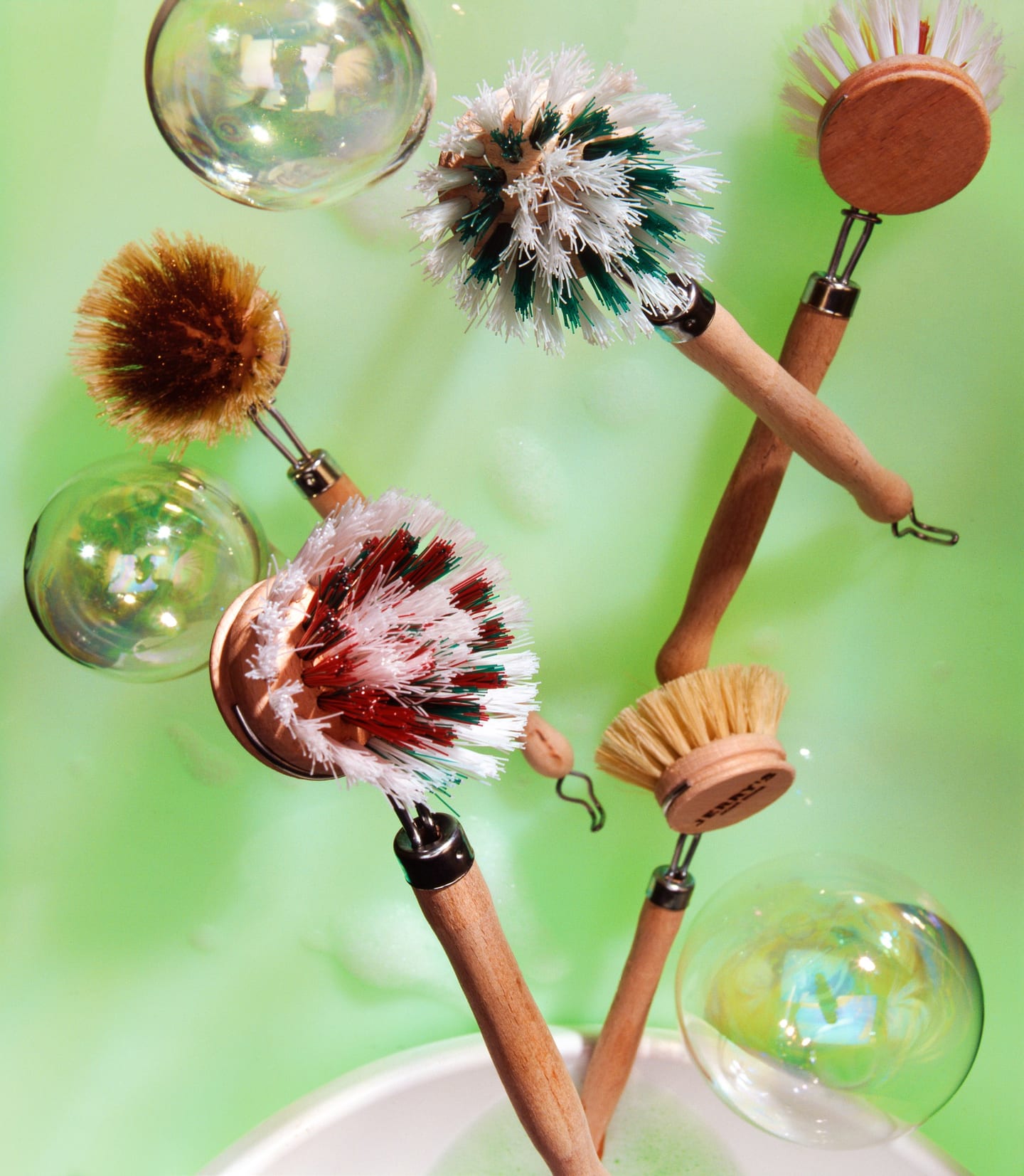
The ingenious life of the kitchen drawer
Kitchen gadgets promise speed, precision or the satisfaction of a task neatly solved. Some become indispensable; others capture a brief moment of invention and fashion. Robert Harper’s photographs give this practical world visual order, revealing handles, mechanisms and forms that usually disappear into drawers.
The collection contains 74 unique photographic shots across 276 total frames and variants. The inventory records kitchen accessories, gadgets and equipment, creating a broad resource for histories of cooking, retail and domestic design.
Robert Harper and the professional still life
The kitchen accessory studies draw on Harper’s studio training. Born in Scotland, he grew up between Glasgow and Islay, received his first camera at seven and sold a photograph of The Who in concert at fourteen. He moved to London to study photography and spent two years at Condé Nast directly assisting David Bailey, Helmut Newton and Lester Bookbinder.
Harper learned inside studios where even an apparently simple object was shaped through light and composition. Bailey brought directness, Newton drama and Bookbinder exact commercial polish. Harper later established his own studio and built an approximately thirty five year career.
Harper’s kitchen gadgets sit within a career spanning household products and fashion publishing. He worked regularly for Elle and The Telegraph Magazine for more than fifteen years. Other editorial credits included Vogue, Tatler, Cosmopolitan, Esquire, The Face, Wallpaper and Harpers & Queen. Across his broader career, confirmed clients included De Beers, Boots, Heinz, Diageo, Harrods, Selfridges, the BBC, CBS Records and Montblanc.
Heinz gives Harper a verified connection to food culture, while Harrods and Selfridges locate his practice within important retail environments for kitchenware and design. Individual gadgets remain unattributed unless labels or archive records prove a maker.
Utility, novelty and designed domestic life
Kitchen accessories reflect changing habits, diets and expectations of convenience. Their forms respond to hand and ingredient, but packaging and finish also turn them into gifts or aspirational purchases.
For design historians, food editors, set decorators and product researchers, the images offer period evidence. Related frames reveal how Harper found visual rhythm in objects made primarily for use.
Archive.London presents this as authored material culture rather than catalogue stock. The photographer’s editorial standing and the archive’s physical provenance transform gadgets into evidence of how British domestic life was imagined and sold.
Archive provenance
- Original category: Kitchen, Accessories
- Unique shots: 74
- Total frames and variants: 276
- Recorded subjects: kitchen accessories, gadgets and equipment
- Photographer: Robert Harper