There is an art to making lunch wait for the camera. Butter softens, ice cream loses its composure and a cut apple begins to betray the passing minutes. Food photography may promise ease and abundance, but behind the image lies a small, exacting race against time.
The Robert Harper Photograph Library contains 1,521 unique food photographs across 5,828 frames, organised through twenty-three inventory folders. Bread, cakes, chocolate, fish, fruit, oils, sauces, vegetables and prepared dishes share the archive with packaging, hampers, ready meals and the rituals of eating and serving.
The editorial table
Harper came to food with the discipline of a fashion and beauty photographer. After his formative years at the Condé Nast studios, he built a career in which every surface mattered. The sheen on a sauce, the crumb of bread and the translucence of fruit demanded the same concentration he brought to lipstick, diamonds or glass.
His long relationship with Elle and The Telegraph Magazine placed food within the sophisticated world of magazine publishing. A dish had to look irresistible, certainly, but it also had to survive layout, cropping, headlines and the particular visual mood of an issue.
The archive embraces polished presentation without becoming too grand to notice the pleasure of the everyday. Cakes and pastries sit beside tins and sandwiches. Champagne tastes meet home baking. Sushi preparation, Armagnac tasting and the work of a sommelier introduce hands, action and ceremony.
A social history of taste
Food photographs date themselves in revealing ways. Packaging changes. Portions, props and table settings shift. Ingredients move from novelty to familiarity. Ideas of health, convenience and indulgence take new forms.
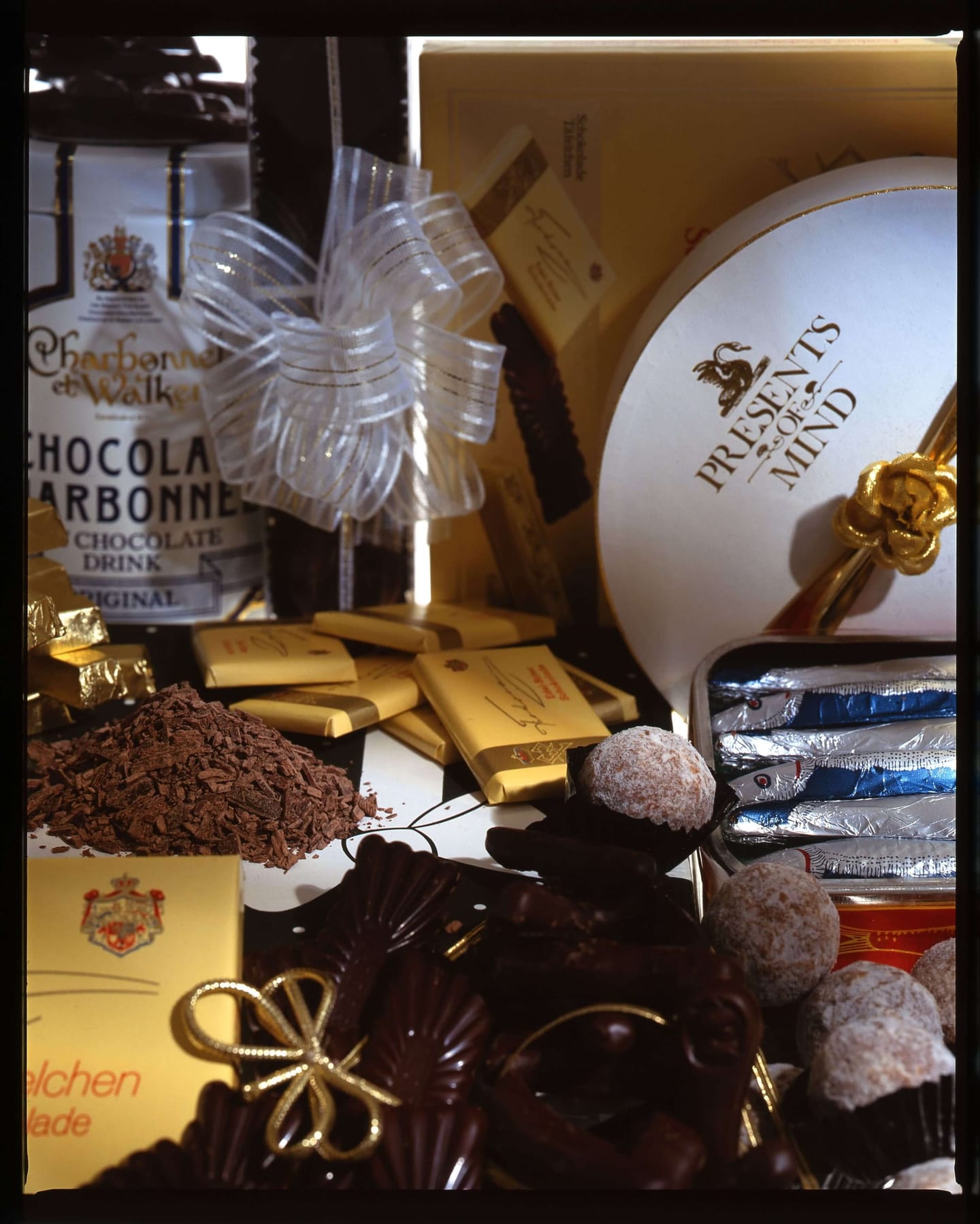
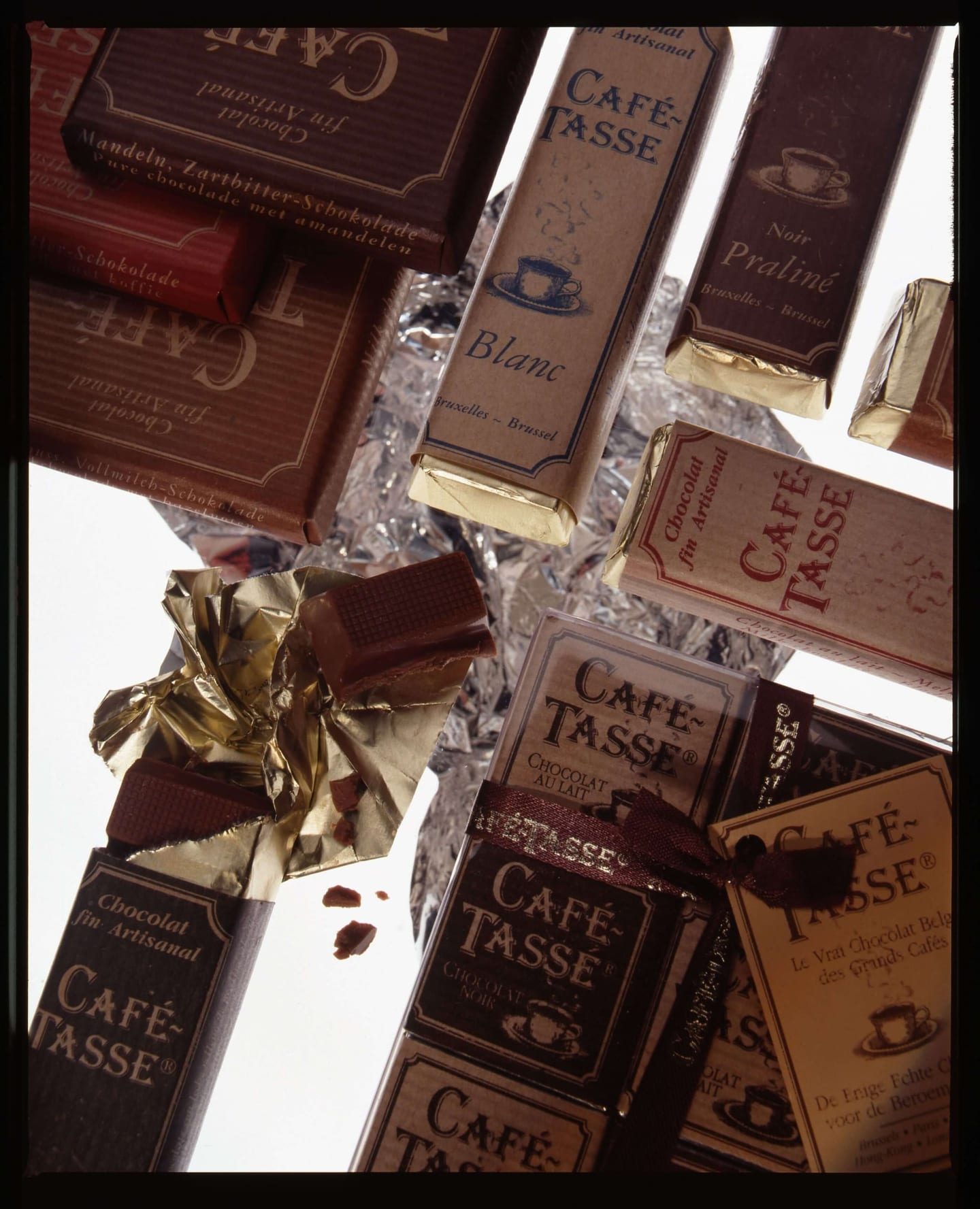
Harper's collection includes organic and energy foods, vitamins, ready meals, cereals, confectionery displays and retailer environments. What was created for an immediate editorial or commercial purpose now offers evidence of changing British appetite and consumer culture.
His confirmed commercial career included names such as Heinz, Harrods and Selfridges. Those connections belong within a much wider practice spanning fashion, advertising and still life, and they help explain the assured balance between product clarity and editorial charm.
Ingredients as characters
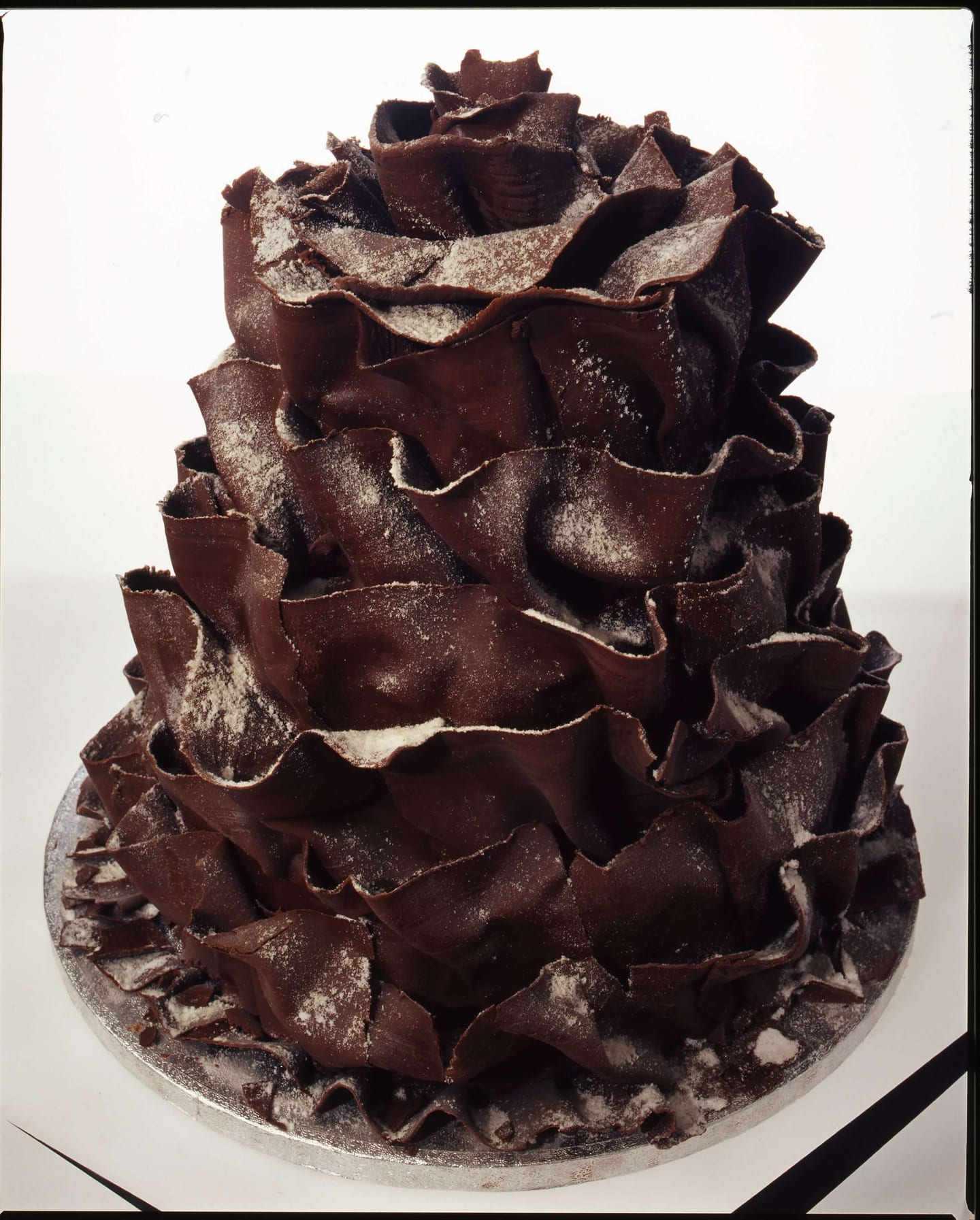
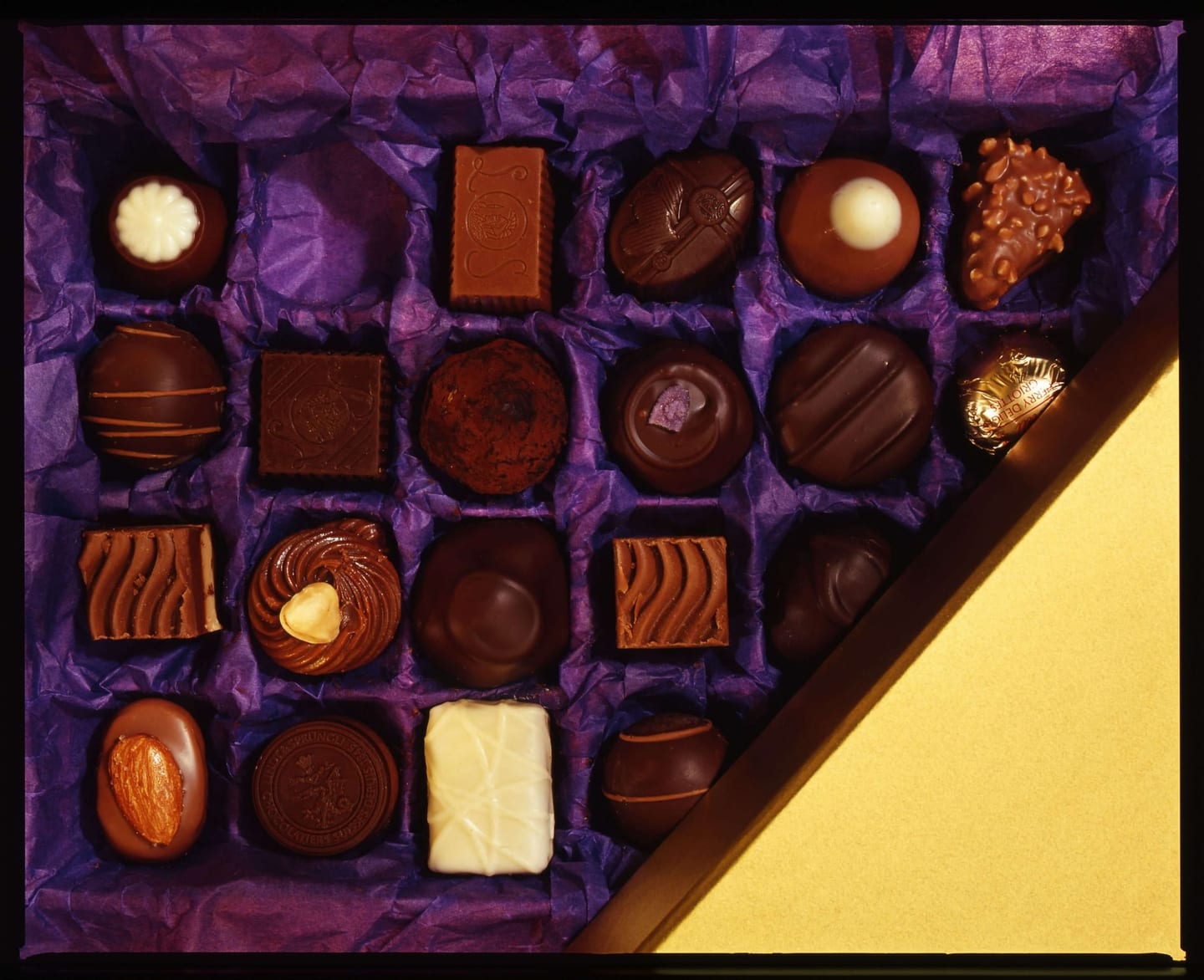
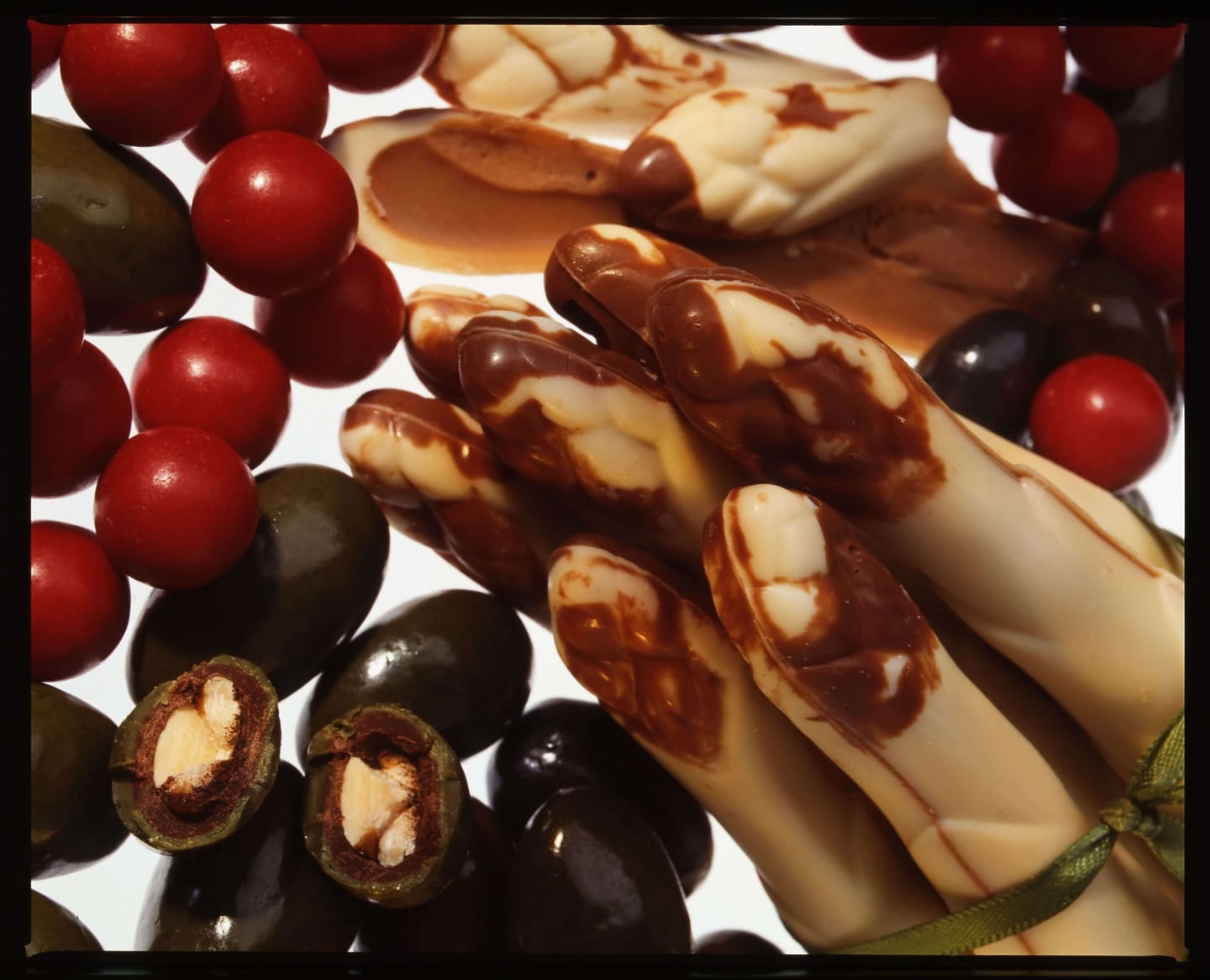
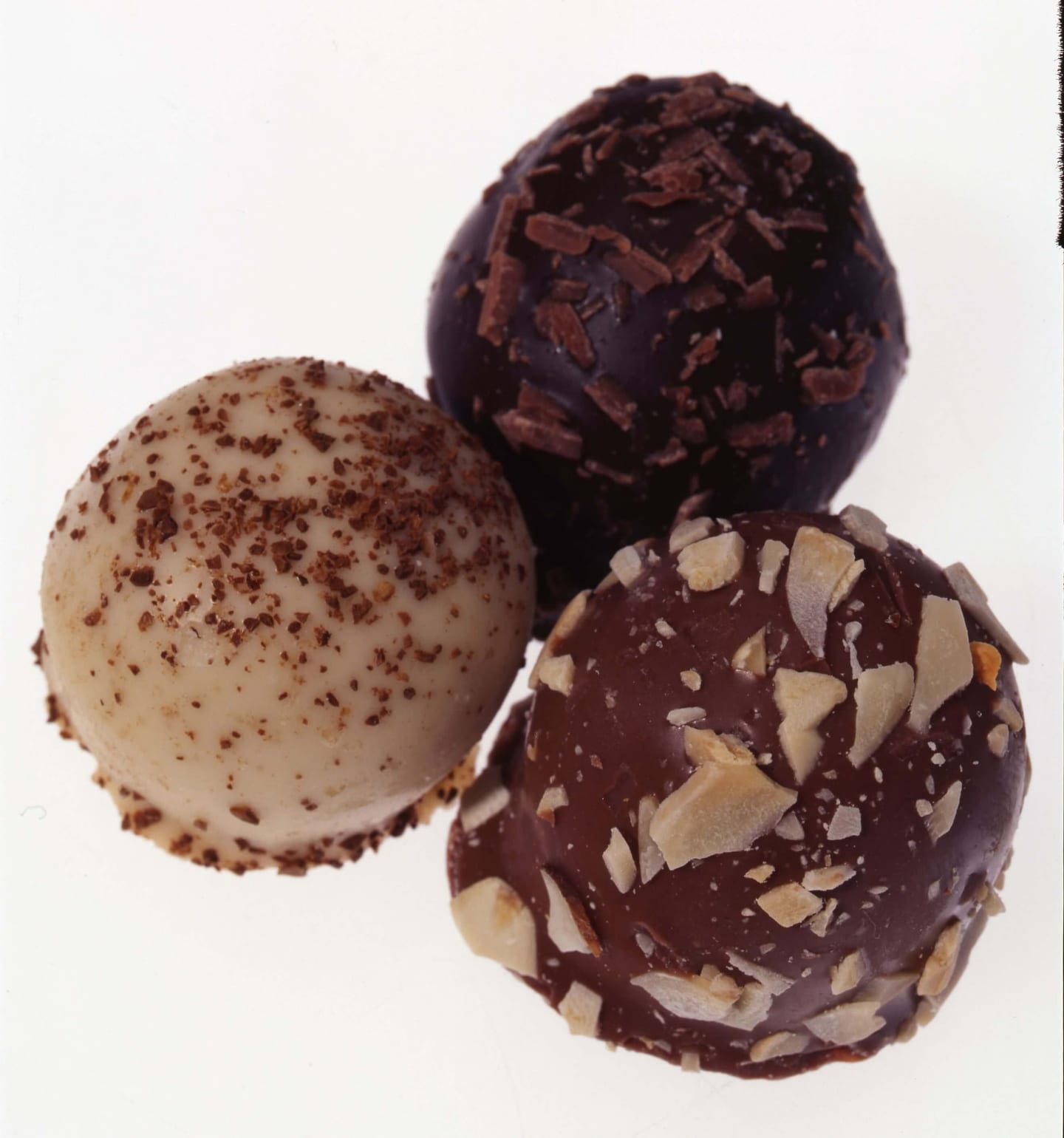
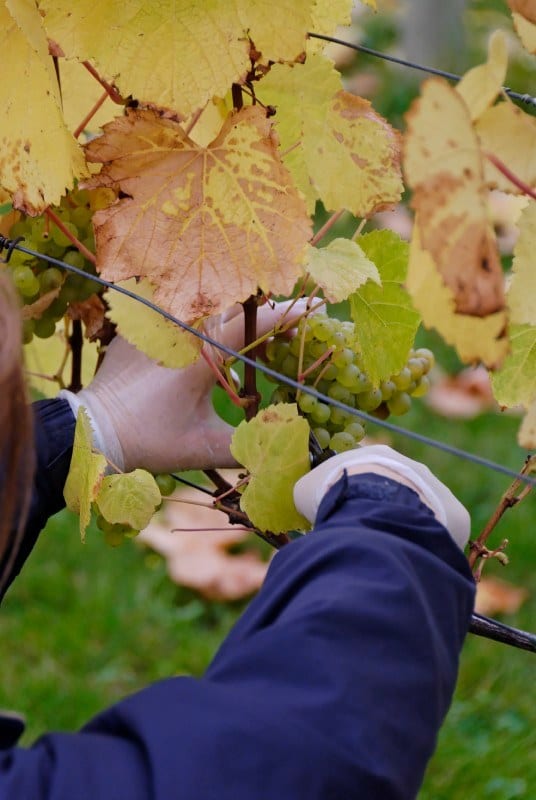
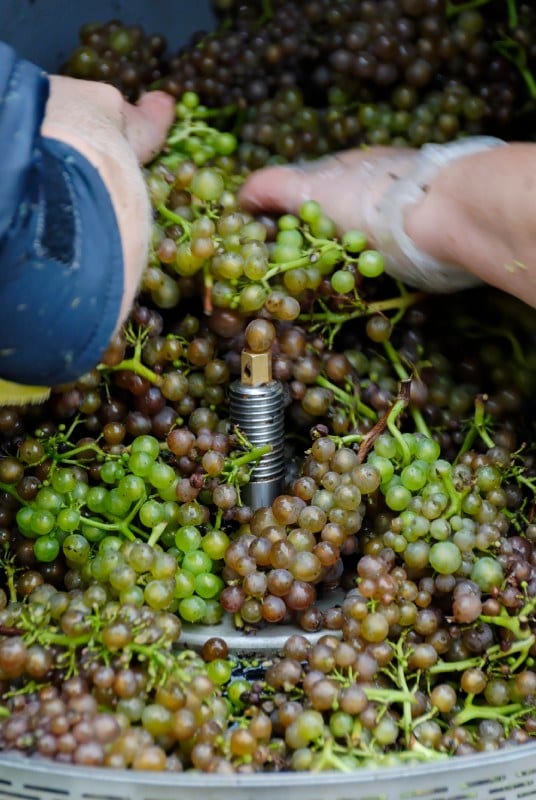
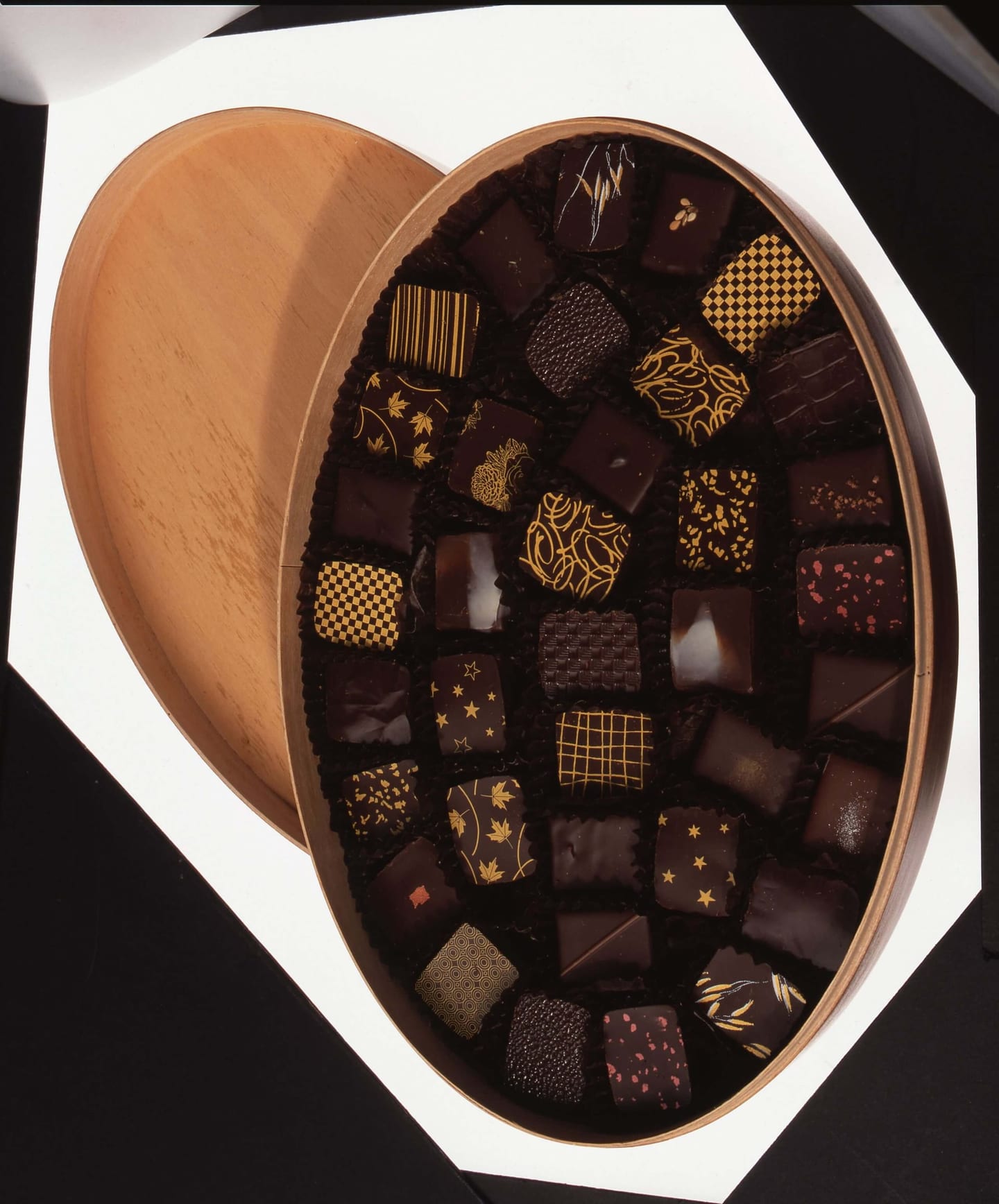
A single fruit can be formal, playful or almost abstract. Fish and shellfish bring texture and iridescence. Oils and sauces become liquid colour. Chocolate can appear luxurious in one frame and cheerfully familiar in the next.
Harper understood the personality of materials. His food photography is most compelling when the subject is allowed to be recognisably itself, but is given the lighting, arrangement and visual wit of a magazine feature.
Explore the collection
The food archive may support editorial publishing, packaging history, exhibitions, documentary production, hospitality projects and rights-managed licensing. Please enquire about available food photographs and any digitisation required.